 ALERT
ALERT
JBL Junior 320 vs Audio Technica ATH-GL3
Advertisement
| Specification | ||
|---|---|---|
| Price | Rs.10,064.00 |
Rs.10,801.87 |
| Brand | JBL |
Audio Technica |
| Model No | Junior 320 |
ATH-GL3 |
| Wired / Wireless | Wired Headphone Specification |
Wired Headphone Specification |
| Headphone Type | On Ear |
Over Ear |
| Magnet Type | Dynamic |
Dynamic |
| Driver Diameter | 32 mm |
45 mm |
| Impedance | 34 Ohms |
45 ohm |
| Sensitivity | 78dB@1kHz |
98 dB/mW |
| Frequency Response | 20 Hz - 20KHz |
10Hz - 35KHz |
| Maximum Power Input | NA |
1300 mW |
| Noise Cancelling | NA |
Sound Isolation |
| Available Colors | Blue, Purple |
Black, White |
| Connector Plating | 3.5mm Audio Jack |
3.5 mm Gold-Plated Stereo Mini Plug |
| Cable | Tangle Free Cable |
Tangle- Free Cable |
| Weight | 116.8 GM |
237 GM |
| Other Features | Ultra Portable : JBL Junior 320 headphones, compact design folds flat so children can easily store in a bag or backpack. JBL Safe sound <85 dB : JBL Junior 320 headphones are designed to never exceed 85 dB, making them safe for children's ears. Make It Yours With JBL Stickers : The plastic-free packaging includes a playful JBL sticker set so kids can personalise their headphones. Built-In Microphone : JBL Junior 320 headphones have a built-in microphone to help your children stay connected to the world. You can talk to teachers while they learn, or chat with friends and family during their downtime. The headband has a 12mm thick soft pad for long wearing comfort. And their round ear cup design with durable, kid-friendly controls provides improved grip and less sound leakage, so kids don't have to turn them louder to compete with outside noise. |
Earpads and headpad detach for easy replacement. Large-diameter 45 mm drivers deliver high-resolution audio with exquisite detail. Incredibly lightweight headset ( less than 230 grams ) offers long hours of comfortable gaming. Closed-back headset provides excellent sound isolation for a truly immersive gaming experience. Volume control dial and mute switch are built into the left earcup for convenient control of the microphone. State-of-the-art, flexible ( and detachable ) boom microphone, with highly directional pickup, provides crystal-clear in-game voice communication. Two detachable cables: 3.0 m ( 9.8' ) cable with 3.5 mm ( 1/8" ) mic and headphone plugs for computers; 1.2 m ( 3.9' ) cable with a 3.5 mm ( 1/8" ) TRRS plug for PS5, Xbox Series X, and other gaming consoles. |
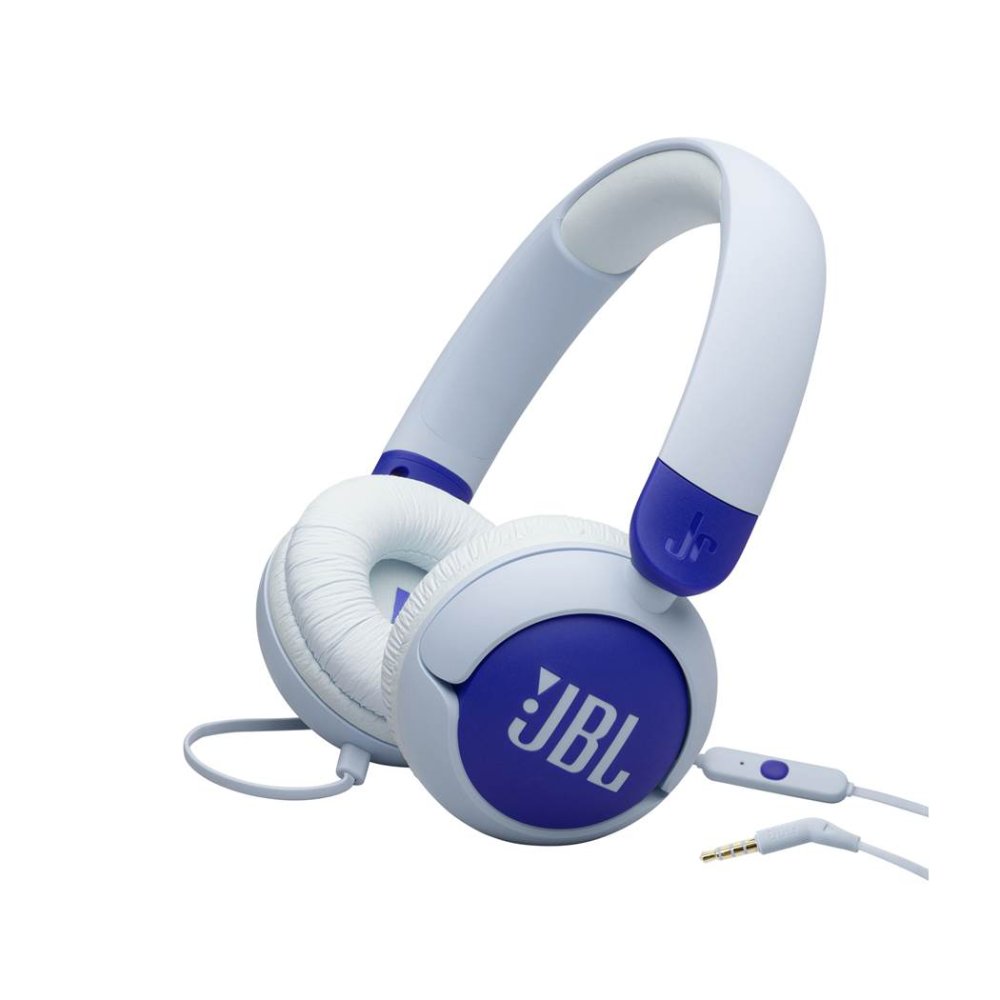
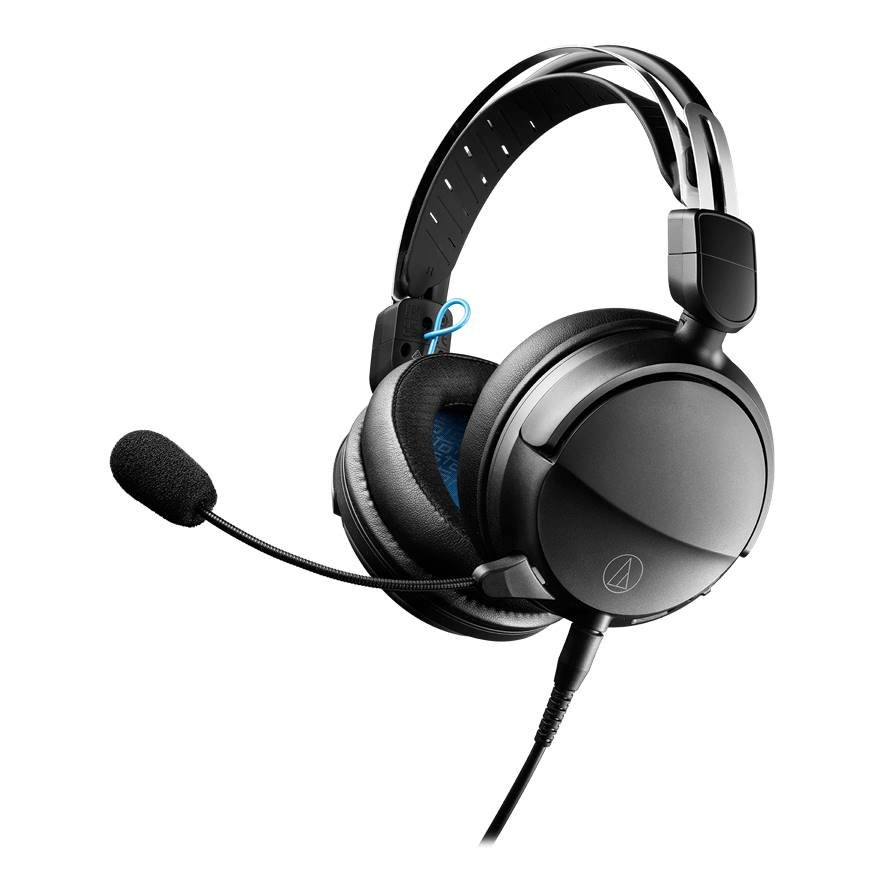
Advertisement
Compare JBL Junior 320 with:
Compare Audio Technica ATH-GL3 with:
Top Differences
- Noise Cancelling: Sound Isolation vs NA
- Driver Size: 45 mm vs 32 mm
- Weight: 237 GM vs 116.8 GM
- Impedance: 45 ohm Vs 34 Ohms
Advertisement