 ALERT
ALERT
Advertisement
| Specification | ||
|---|---|---|
| Price | Rs.2,137.25 |
Rs.1,999.00 |
| Brand | JBL |
JBL |
| Model No | JR310 |
Tune 310C USB |
| Wired / Wireless | Wired Headphone Specification |
Wired Headphone Specification |
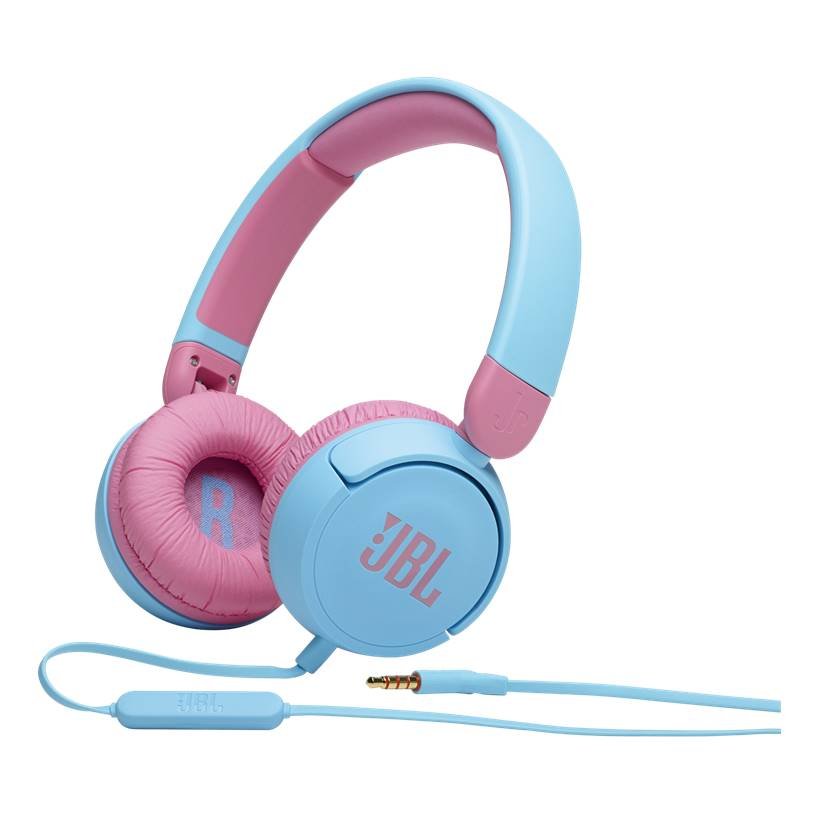
| Headphone Type | On Ear |
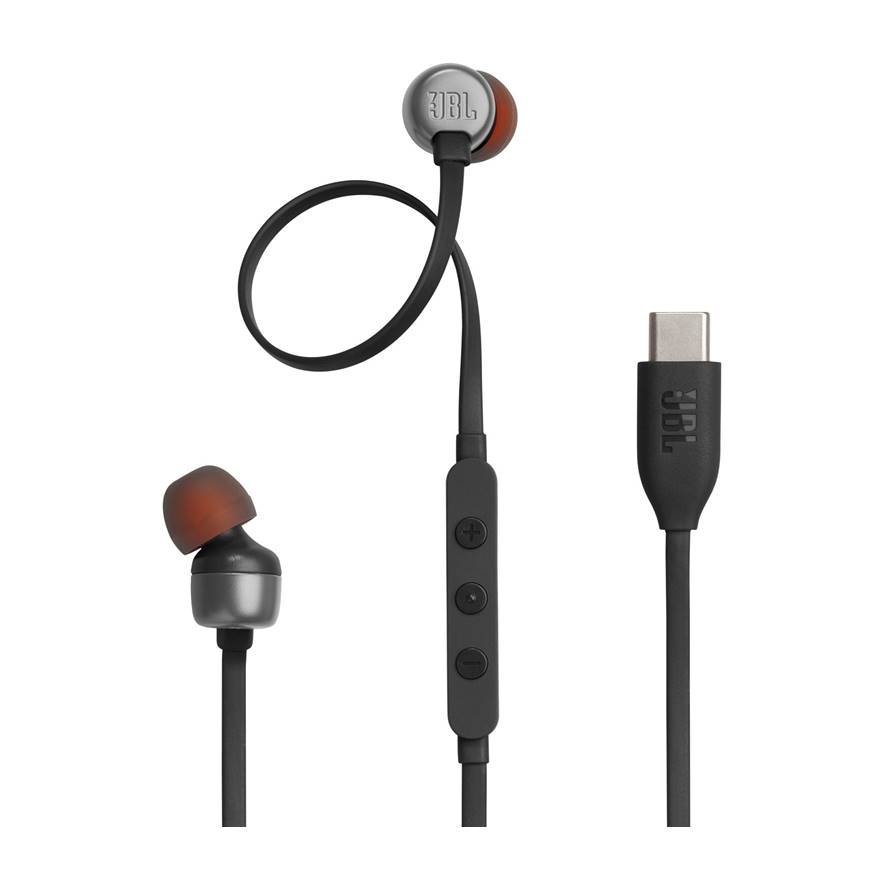
In Ear |
| Magnet Type | Dynamic |
Dynamic |
| Driver Diameter | 32 mm |
9 mm |
| Impedance | 32 Ohms |
16 Ohms |
| Sensitivity | 80dB SPL@ 1kHz 1mW |
98 dB SPL@ 1kHz 1mW |
| Frequency Response | 20 Hz - 20KHz |
20 Hz - 40KHz |
| Maximum Power Input | NA |
NA |
| Noise Cancelling | NA |
NA |
| Available Colors | Blue, Red |
Black, White, Blue, Red |
| Connector Plating | 3.5 mm Audio Jack |
USB-C Connection |
| Cable | Tangle-Free Flat Cable |
Tangle-Free Flat Cable |
| Weight | 105 GM |
14.3 GM |
| Other Features | JBL Safe Sound. Designed For Kids : Custom designed ear cushions and headband with cool colors. Comfort Fit : Soft padded headband and ear cushions give a feathery fit on small heads. Make It Yours JBL Sticker Set : Kids can personalize the headphones with the stickers set in the box. JBL Safe Sound ( <85dB ) : JBL legendary sound designed to never exceed 85dB making them safe for even the youngest music fans. Ultra-Portable : Compact, foldable design and single-side flat cable with mic and remote combined to make music highly portable. Built-In Mic : Help your kids stay connected to the world with the built-in mic. They can chat easily with friends and family during downtime, or teachers while they’re busy learning. |
Tangle-free flat cable The durable flat cable won’t tangle up in knots, even in your bag. EQ Presets control Select Default, Bass, or Vocal to find the sound that fits your taste via the 3-button remote on the wire. Compatible with USB-C devices Need to connect to a PC, mobile or gaming device? USB-C connectivity ensures compatibility with a wide range of devices* 3-Button remote with microphone Control music playback and volume adjustment with a convenient three-button remote. Got an incoming call? Answer it on the fly with the built-in microphone. JBL Pure Bass Sound, Hi-Res Certified : These headphones reproduce that same JBL sound, punching out bass that’s deep, powerful. Hi-Res Audio brings clear and detailed sound quality with a wide frequency range. |
Advertisement
Compare JBL JR310 with:
Compare JBL Tune 310C USB with:
Top Differences
- Driver Size: 32 mm vs 9 mm
- Weight: 105 GM vs 14.3 GM
- Impedance: 32 Ohms Vs 16 Ohms
Advertisement