 ALERT
ALERT
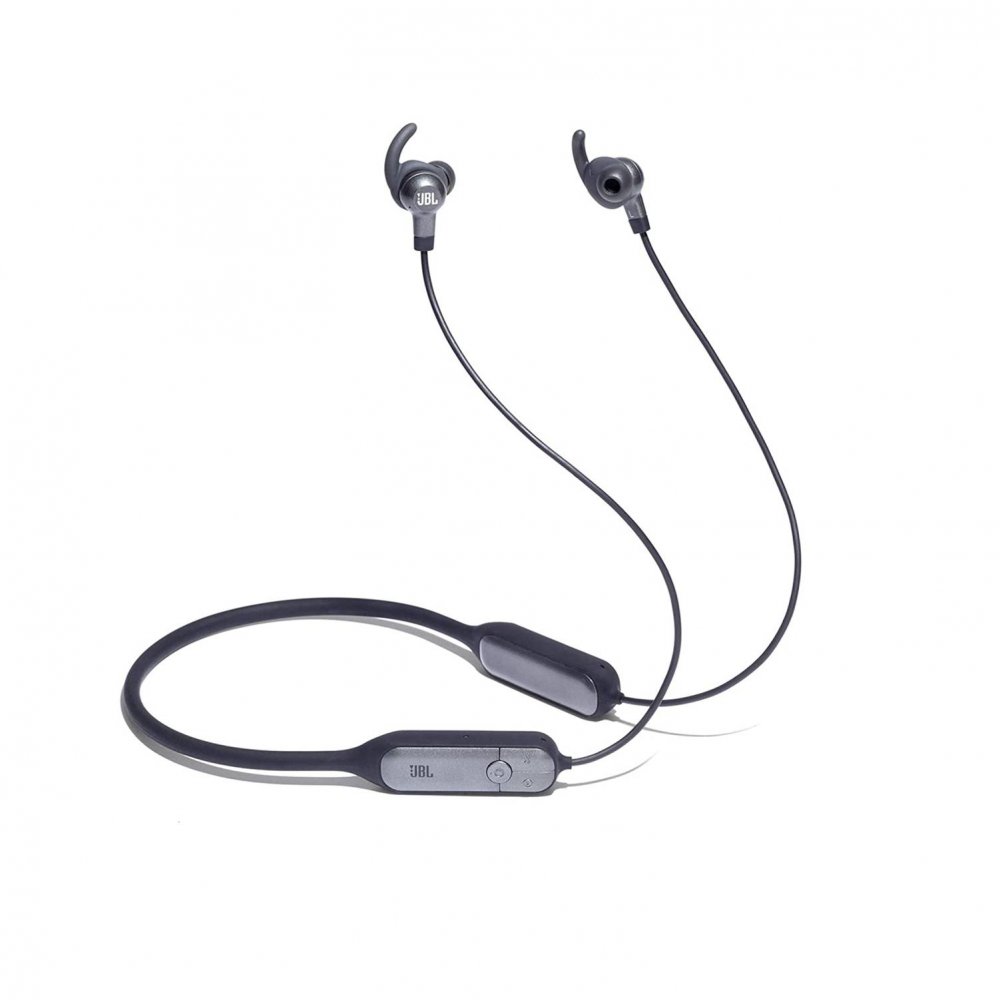
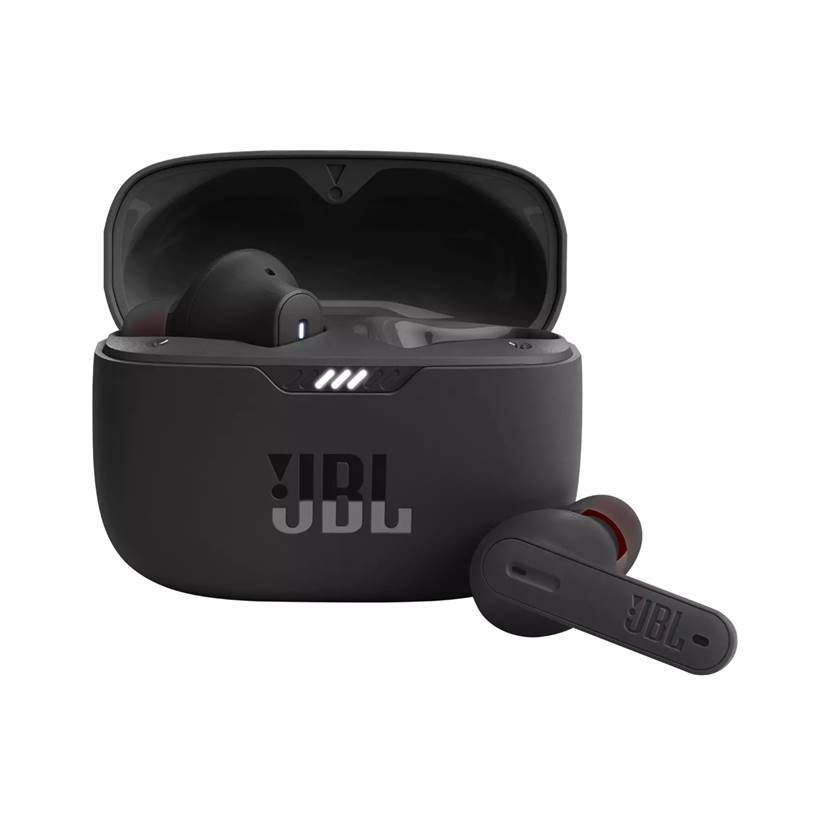
JBL EVEREST ELITE 150NC vs JBL Tune 230NC TWS
Advertisement
| Specification | ||
|---|---|---|
| Price | Rs.5,999.00 |
Rs.5,999.00 |
| Brand | JBL |
JBL |
| Model No | EVEREST ELITE 150NC |
Tune 230NC TWS |
| Wired / Wireless | Wireless Headphone Specification |
Wireless Headphone Specification |
| Headphone Type | Neckband |
In Ear |
| Magnet Type | Dynamic |
Dynamic |
| Driver Diameter | 12 mm |
6 mm |
| Impedance | 16 ohm |
16 Ohm |
| Sensitivity | 94dB |
105 dB SPL |
| Frequency Response | 10 Hz - 22000 kHz |
20 Hz - 20000 Hz |
| Maximum Power Input | 1 mW |
5 V / 1A |
| Wireless / Bluetooth Details | ||
| Wireless Technology | Bluetooth |
Bluetooth |
| Bluetooth Version | 4.0 |
5.2 |
| Compatible Profiles | All Bluetooth Devices |
All Bluetooth Devices |
| Supported Codecs | HFP, HSP, AVRCP, A2DP |
A2DP, AVRCP,HFP |
| Battery Type | Polymer Li-ion Battery |
Lithium-ion Batteries |
| Bluetooth Range | 10 Meters |
10 Meters |
| Battery Life | 16 Hours |
8 / 10 Hours |
| Charging Time | 2 Hours |
2 Hours |
| Noise Cancelling | Adaptive |
ANC |
| Available Colors | Grey |
Black, White, Blue |
| Connector Plating | No |
NA |
| Cable | Micro USB charging Cable |
USB Type-C Charging Cable |
| Weight | 53 gm |
52 Gm |
| Other Features | JBL Legendary Pro Audio Sound. Wirelessly enjoy all your music. Siri / Google Now. Adaptive Noise Cancelling. Magnetic cable management Dual echo cancelling microphones. The smartest way to listen to music. 14-hour battery life, recharge in 2 hours. Unlock all the potential of the Everest Elite 150NC, personalizing the headphones settings to your taste. Sculpted ear tips add unprecedented comfort to the listeners’ experience – allowing a longer, more enjoyable experience. The compact and sleek neckband design and the premium, hard carrying case allow maximum portability and protection. Ensures that the headphones remain comfortably secure and tangle-free around your neck when not in use. |
JBL Pure Bass Sound. 4 mics for perfect calls. Active Noise Cancelling with Smart Ambient. Thanks to IPX4 water resistance and sweatproofing. A quick 10 minutes of charging provides you with upto 2 Hours of playtime. |
Advertisement
Compare JBL EVEREST ELITE 150NC with:
Compare JBL Tune 230NC TWS with:
Top Differences
- Battery Life: 16 Hours vs 8 / 10 Hours
- Noise Cancelling: Adaptive vs ANC
- Driver Size: 12 mm vs 6 mm
- Bluetooth: 4.0 vs 5.2
- Weight: 53 gm vs 52 Gm
Advertisement