 ALERT
ALERT
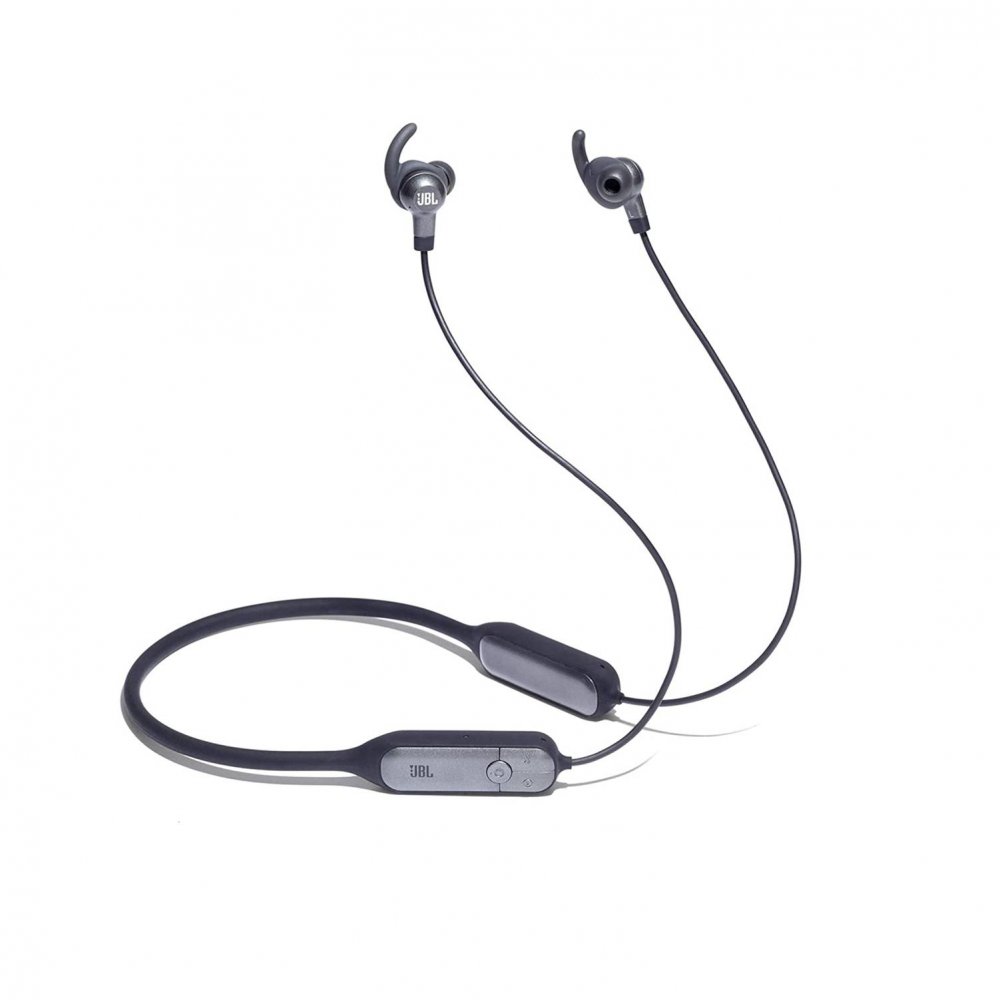
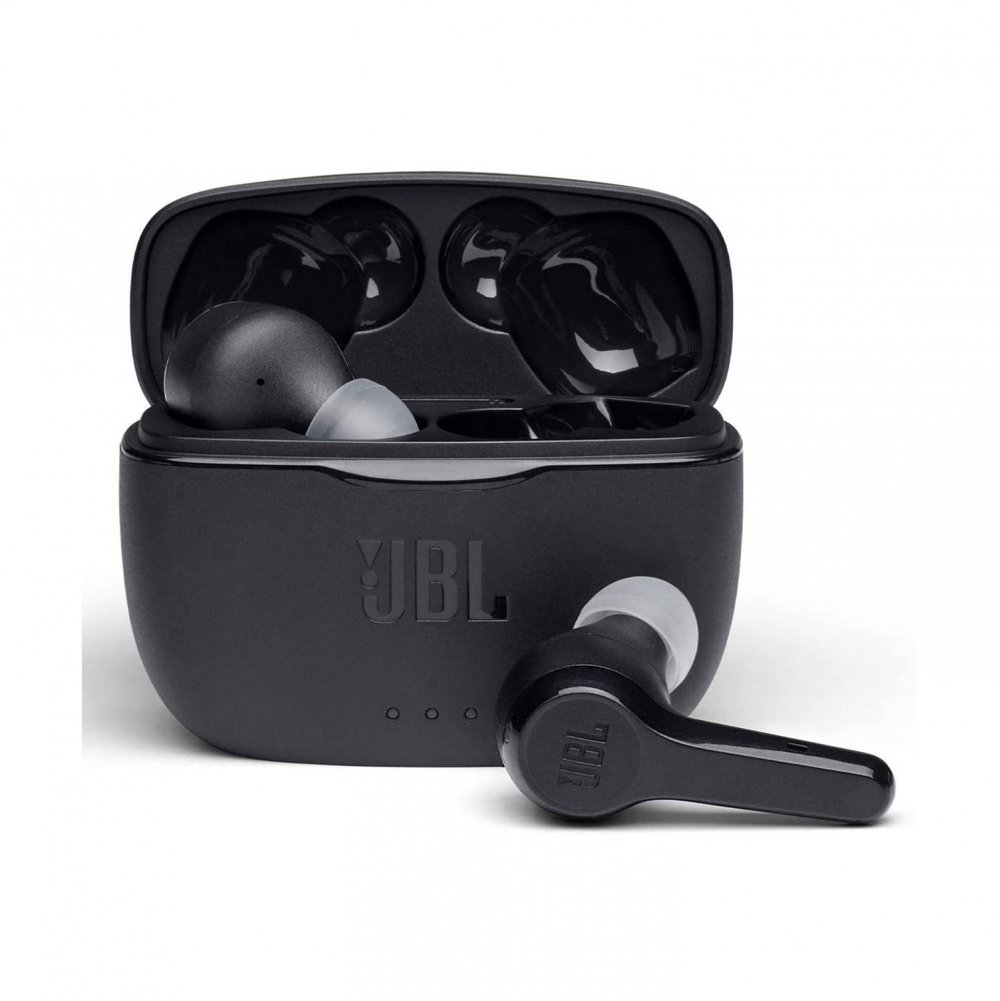
JBL EVEREST ELITE 150NC vs JBL TUNE 215TWS
Advertisement
| Specification | ||
|---|---|---|
| Price | Rs.5,999.00 |
Rs.5,999.00 |
| Brand | JBL |
JBL |
| Model No | EVEREST ELITE 150NC |
TUNE 215TWS |
| Wired / Wireless | Wireless Headphone Specification |
Wireless Headphone Specification |
| Headphone Type | Neckband |
In Ear |
| Magnet Type | Dynamic |
Dynamic |
| Driver Diameter | 12 mm |
6.0 mm |
| Impedance | 16 ohm |
14 ohm |
| Sensitivity | 94dB |
108dB |
| Frequency Response | 10 Hz - 22000 kHz |
20 Hz - 20000 kHz |
| Maximum Power Input | 1 mW |
5 V 1 A |
| Wireless / Bluetooth Details | ||
| Wireless Technology | Bluetooth |
Bluetooth |
| Bluetooth Version | 4.0 |
5.0 |
| Compatible Profiles | All Bluetooth Devices |
All Bluetooth Devices |
| Supported Codecs | HFP, HSP, AVRCP, A2DP |
A2DP, AVRCP, HFP |
| Battery Type | Polymer Li-ion Battery |
Lithium Polymer Battery |
| Bluetooth Range | 10 Meters |
10 Meters |
| Battery Life | 16 Hours |
5 Hours |
| Charging Time | 2 Hours |
< 2 Hours |
| Noise Cancelling | Adaptive |
NA |
| Available Colors | Grey |
Black, White, Green, Purple |
| Connector Plating | No |
No |
| Cable | Micro USB charging Cable |
Type-C USB Charging Cable |
| Weight | 53 gm |
51.3 gm |
| Other Features | JBL Legendary Pro Audio Sound. Wirelessly enjoy all your music. Siri / Google Now. Adaptive Noise Cancelling. Magnetic cable management Dual echo cancelling microphones. The smartest way to listen to music. 14-hour battery life, recharge in 2 hours. Unlock all the potential of the Everest Elite 150NC, personalizing the headphones settings to your taste. Sculpted ear tips add unprecedented comfort to the listeners’ experience – allowing a longer, more enjoyable experience. The compact and sleek neckband design and the premium, hard carrying case allow maximum portability and protection. Ensures that the headphones remain comfortably secure and tangle-free around your neck when not in use. |
Feel the Bass. Freedom From Wires. Stay Connected, Stay Wireless. Power source type: Battery-Powered. Wireless communication technology: Bluetooth. Your favorite music sounds better with JBL Pure Bass. Ultra-comfortable, the JBL TUNE 215TWS headphones keep you on top of your world, for 25 hours. With up to 25 hours (5 hours from the earbuds and 15 hours from the case) of battery life, you can listen all day and all night. Easily manage calls and Voice Assistant from either earbud or both with Dual Connect. And save battery life, so that you can listen longer or quickly recharge with USB type-C. |
Advertisement
Compare JBL EVEREST ELITE 150NC with:
Compare JBL TUNE 215TWS with:
Top Differences
- Battery Life: 5 Hours vs 16 Hours
- Noise Cancelling: NA vs Adaptive
- Driver Size: 6.0 mm vs 12 mm
- Bluetooth: 5.0 vs 4.0
- Weight: 51.3 gm vs 53 gm
Advertisement