 ALERT
ALERT
Advertisement
| Specification | ||
|---|---|---|
| Price | Rs.2,799.00 |
Rs.2,799.00 |
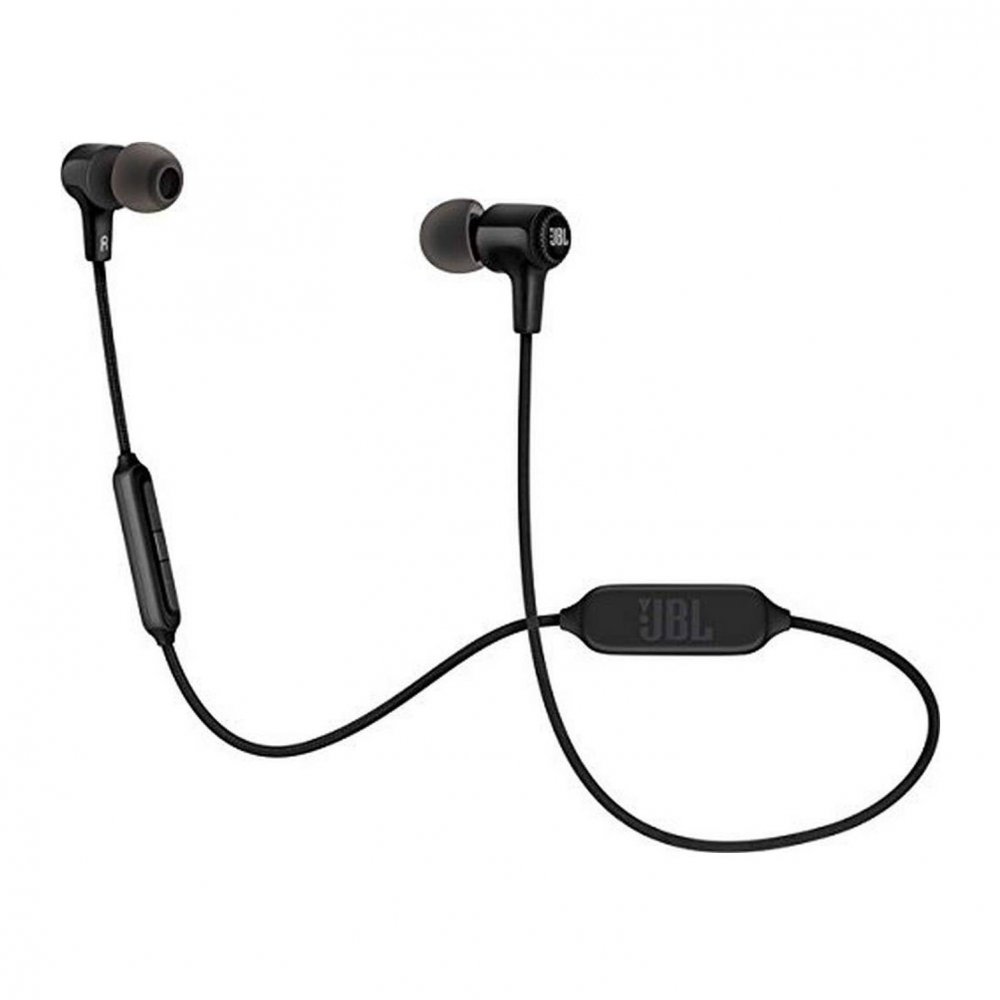
| Brand | JBL |
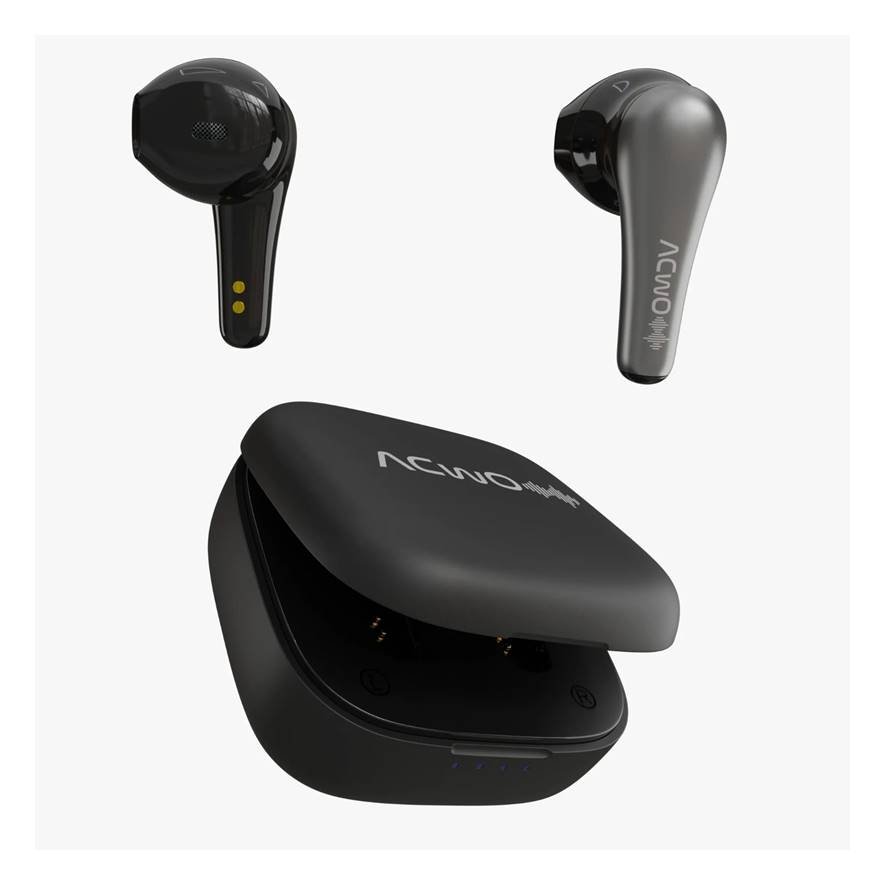
ACwO |
| Model No | E25BT |
DwOTS 515 |
| Wired / Wireless | Wireless Headphone Specification |
Wireless Headphone Specification |
| Headphone Type | In Ear |
In Ear |
| Magnet Type | Dynamic |
Dynamic |
| Driver Diameter | 8 mm |
10 mm |
| Impedance | 16 ohm |
32 Ohms |
| Sensitivity | 102dB |
NA |
| Frequency Response | 20 Hz - 20000 kHz |
20Hz - 20KHz |
| Maximum Power Input | NA |
DC 5V |
| Wireless / Bluetooth Details | ||
| Wireless Technology | Bluetooth |
Bluetooth |
| Bluetooth Version | 4.1 |
5.3 |
| Compatible Profiles | All Bluetooth Devices |
All Bluetooth Devices |
| Supported Codecs | HFP, HSP, A2DP, AVRCP |
AAC, SBC |
| Battery Type | Lithium-ion Polymer Battery |
Lithium-Ion Batteries |
| Bluetooth Range | 10 Meters |
10 Meters |
| Battery Life | 8 Hours |
50 Hours |
| Charging Time | 2 Hours |
1 Hours |
| Noise Cancelling | NA |
AI-Environmental Noise Cancelling |
| Available Colors | Black, White, Blue, Red |
Black, White, Blue, Green |
| Connector Plating | No |
NA |
| Cable | Charging Cable |
USB Type-C Charging Cable |
| Weight | 16.5 gm |
26 GM |
| Other Features | Siri / Google Now. Signature JBL Sound in a compact, stylish design. Enjoy up to 8 hours of uninterrupted wireless audio. Three-button universal remote with microphone. Go the distance with awesome sound, wirelessly. Tuned for enhanced low-frequency performance. You can also seamlessly switch from music on your portable device to a call from your phone, so that you never miss a call. |
10mm BasS BooMX Real Driver : Feel the true pulse of your music with our 10mm BasS BooMX Real Drivers. Crafted to produce powerful bass, these drivers will make you experience music like never before. AI-ENC: Environmental Noise Cancellation technology enhances call quality by reducing background noise. Enjoy crystal-clear conversations even in noisy environments, ensuring optimal communication clarity. IPX5 Water & Sweat Resistant : These earbuds are IPX5 water and sweat-resistant, making them perfect for workouts, outdoor activities, and daily use. Enjoy your music in any weather condition without worrying about damage from sweat or water exposure. 50 Hours Playtime : Enjoy non-stop music for an extended duration with up to 50 hours of playtime on a single charge. Whether you're on-the-go, at work, or traveling, these earbuds provide long-lasting entertainment without the need for frequent recharging, ensuring continuous enjoyment throughout your day. Voice Assistant : Access your voice assistant with ease using these earbuds. Simply activate it with a command, allowing you to control music playback, manage calls, get weather updates, and more—all hands-free. Enjoy convenient access to your favorite virtual assistant wherever you go, enhancing your overall user experience. Low Latency : Experience minimal delay with upto 50ms low latency technology in these earbuds. Enjoy real-time audio synchronization, perfect for gaming, watching videos, or listening to music without interruptions. This feature ensures a smooth and immersive audio experience, enhancing your overall enjoyment and entertainment. Full Charge In 1 Hour : Charge these earbuds fully in just 1 hour. This quick charging feature ensures you spend less time waiting and more time enjoying your favorite music, calls, and other audio content. Perfect for users on the go, this rapid charging capability provides convenience and reliability, keeping you connected throughout the day. |
Advertisement
Compare JBL E25BT with:
Compare ACwO DwOTS 515 with:
Top Differences
- Battery Life: 8 Hours vs 50 Hours
- Noise Cancelling: NA vs AI-Environmental Noise Cancelling
- Driver Size: 8 mm vs 10 mm
- Bluetooth: 4.1 vs 5.3
- Weight: 16.5 gm vs 26 GM
Advertisement