 ALERT
ALERT
| Specification | ||
|---|---|---|
| Price | Rs.549.00 |
Rs.499.00 |
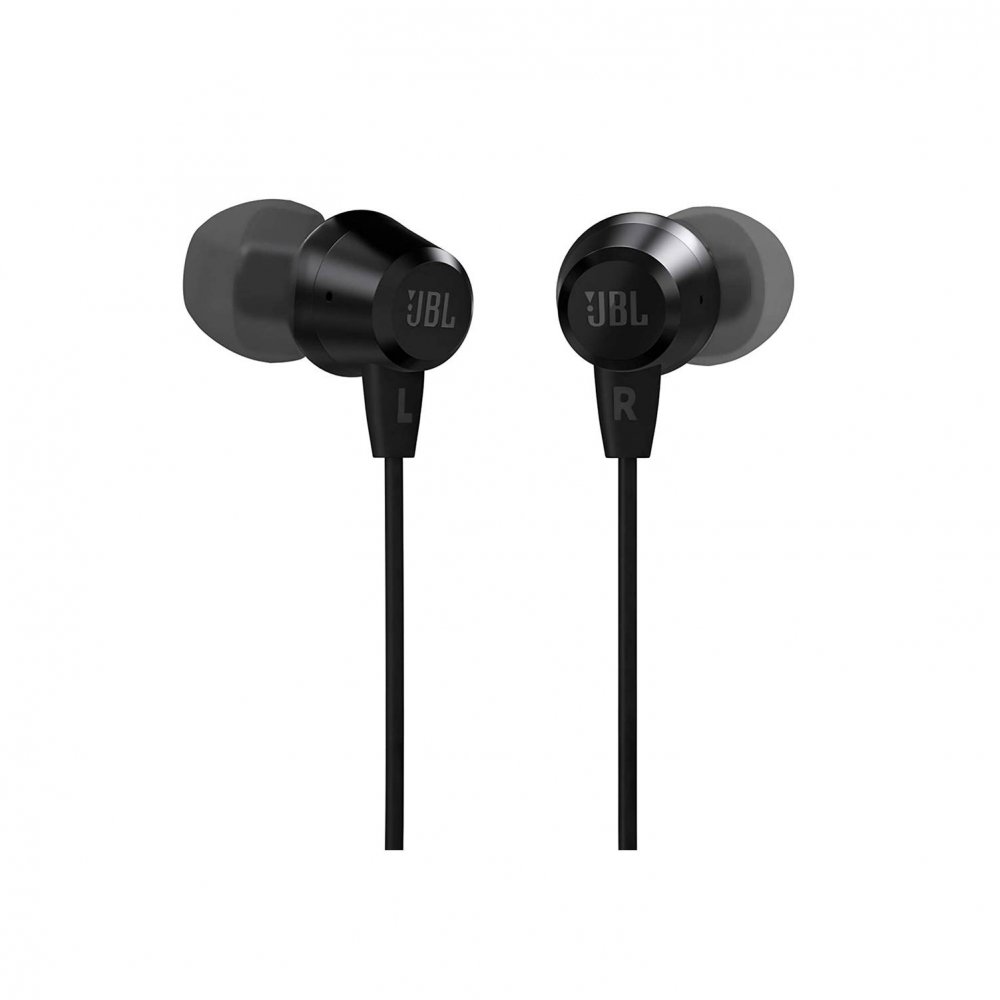
| Brand | JBL |
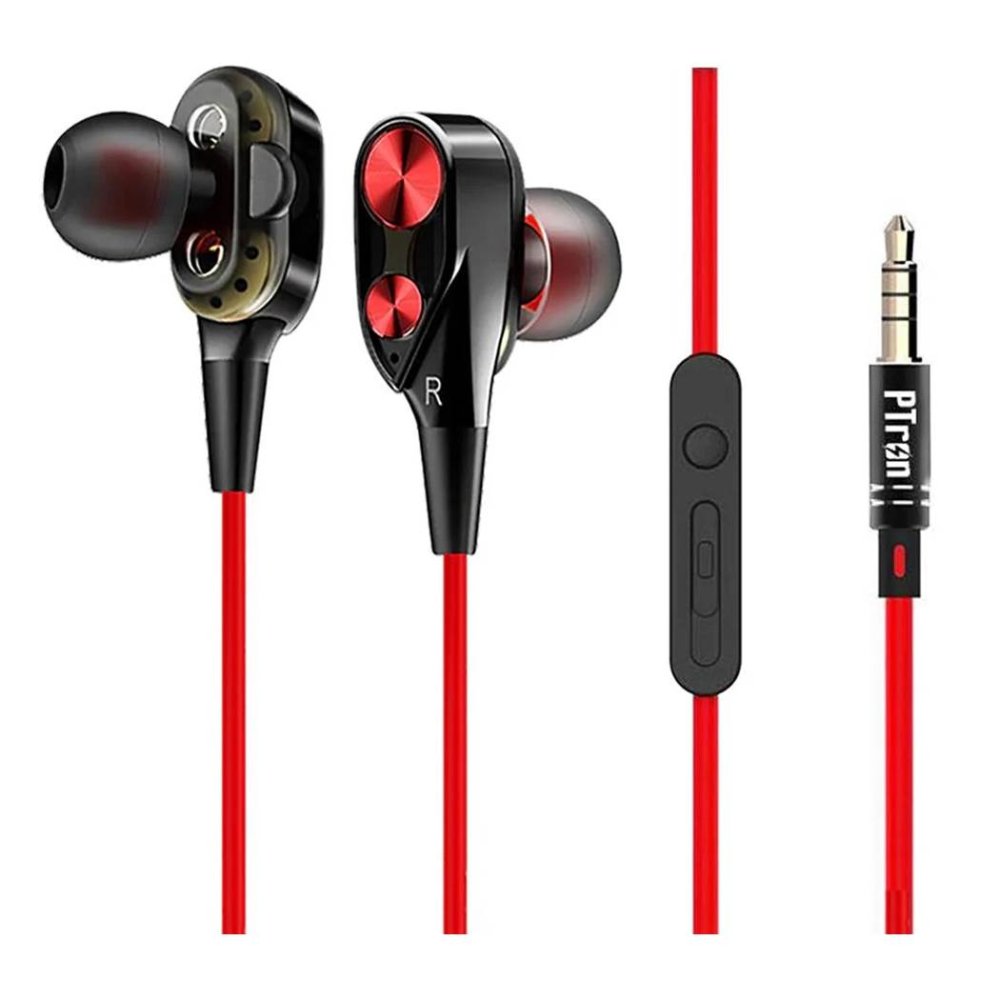
pTron |
| Model No | C50HI |
Boom Evo 4D |
| Wired / Wireless | Wired Headphone Specification |
Wired Headphone Specification |
| Headphone Type | In Ear |
In Ear |
| Magnet Type | Dynamic |
Dynamic |
| Driver Diameter | 8.6 mm |
4 X 8 mm |
| Impedance | 30±4 ohm |
16Ω ±10% Ohms |
| Sensitivity | 101±3dB |
110±3dB |
| Frequency Response | 20 Hz - 20000 kHz |
20Hz - 20KHz |
| Maximum Power Input | 10 mW |
30 mW |
| Noise Cancelling | NA |
Sound Isolation |
| Available Colors | Black, White, Blue, Red |
Red |
| Connector Plating | 3.5 mm |
3.5 mm Gold-Plated Jack |
| Cable | Tangle- Free Flat Cable |
Tangle Free Cable |
| Weight | 13 gm |
60 GM |
| Other Features | JBL Bass Sound. High Clean Bass. High Fidelity Twin Cable. Noise Isolation Microphone. One year manufacturer’s warranty. One-Button Universal Remote with Mic. Great bass sound on-the-go, for everyone. Quick Launch Access to Google Assistant / Siri. Ultra Lightweight and Comfortable with 3 sizes of ear tips. |
3.5 mm audio jack provides no-loss sound connection to your audio device. PTron Boom Evo 4D Earphone Deep Bass Stereo Wired Headphone With Mic For All Smartphones. Answer phone calls through your earbuds for safe driving, even you are running or exercising. Have the peace of mind knowing that you won't lose connection while listening to your tunes or podcast. Sports earbuds with microphone allows your ear phones to act as a headset for hands free calling capability. Soft silicone ear buds provide comfortable and noise isolating fit to drown out sound for pleasant, snug and high quality audio. High performance in-ear head phones are perfect for any apple iOS device including apple iPhone's, iPod's, iPad's, Mac book, i Mac and more. Double moving coil loud speakers deliver wonderful music sound, better bass response and acoustically enhanced sound quality, showing you a pair of stereo headphones. |
Compare JBL C50HI with:
Compare pTron Boom Evo 4D with:
Top Differences
- Noise Cancelling: NA vs Sound Isolation
- Driver Size: 8.6 mm vs 4 X 8 mm
- Weight: 13 gm vs 60 GM
- Impedance: 30±4 ohm Vs 16Ω ±10% Ohms