 ALERT
ALERT
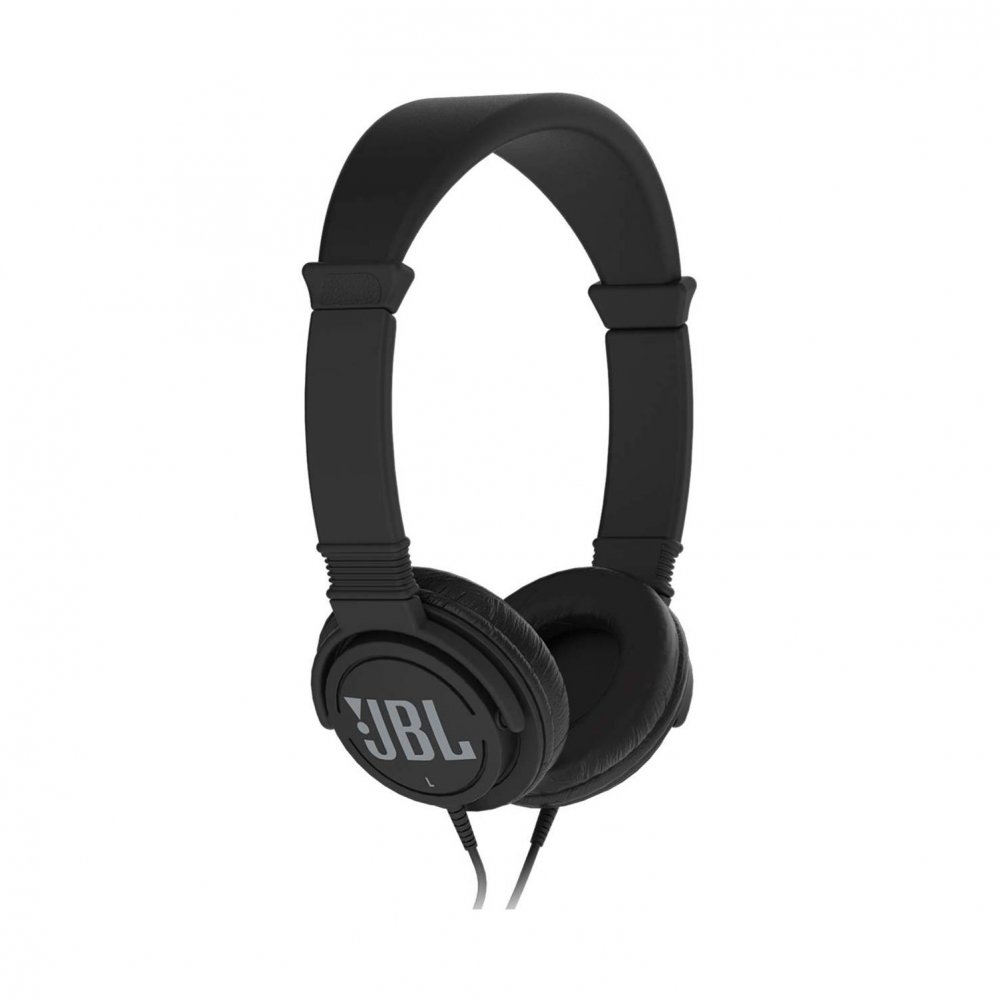
JBL C300SI vs JBL C200SI
Advertisement
| Specification | ||
|---|---|---|
| Price | Rs.839.00 |
Rs.849.00 |
| Brand | JBL |
JBL |
| Model No | C300SI |
C200SI |
| Wired / Wireless | Wired Headphone Specification |
Wired Headphone Specification |
| Headphone Type | Over Ear |
In Ear |
| Magnet Type | Neodymium |
Dynamic |
| Driver Diameter | 40 mm |
9 mm |
| Impedance | 32 ohm |
16±3.2 ohm |
| Sensitivity | 94±5dB |
100±3dB |
| Frequency Response | 20 Hz - 20000 kHz |
20 Hz - 20000 kHz |
| Maximum Power Input | 120 mW |
5 mW |
| Noise Cancelling | NA |
NA |
| Available Colors | Black |
Black, Blue, Grey |
| Connector Plating | 3.5 mm |
3.5 mm |
| Cable | Tangle Resistant Cable |
Tangle Resistant Cable |
| Weight | 209 gm |
18 gm |
| Other Features | High-power drivers. Self-adjusting earcups. Lightweight earcup construction. Give you a perfect fit easily, every time you listen. Create superior JBL sound, with bass you can feel. Allows a comfortable listening experience, even for long sessions. |
JBL Signature Sound, with bass you can feel. One year manufacturer’s warranty. One-button universal remote with mic. Quick Launch Access to Google Assistant / Siri. Lightweight and comfortable with 3 sizes of ear tips. An in-line microphone with universal remote control lets you talk and manage your calls on Android and iOS devices. Its powerful 9mm drivers deliver the feel-it-in-your-bones bass response and legendary sound quality you expect from JBL. |

Advertisement
Compare JBL C300SI with:
Compare JBL C200SI with:
Top Differences
- Driver Size: 9 mm vs 40 mm
- Weight: 18 gm vs 209 gm
- Impedance: 16±3.2 ohm Vs 32 ohm
Advertisement