 ALERT
ALERT
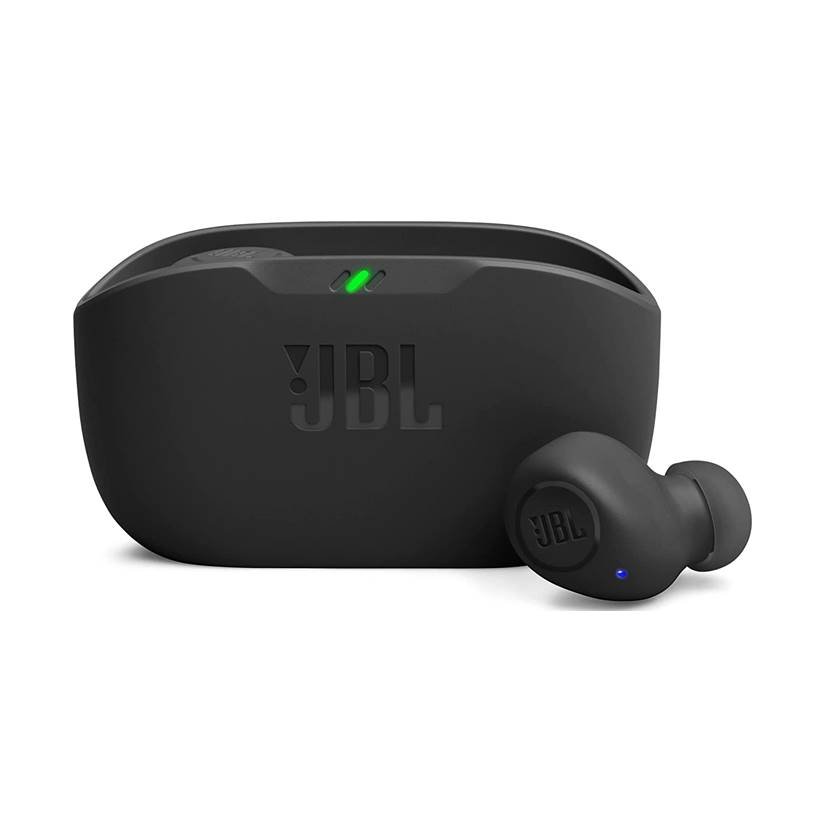
JBL C100TWS vs JBL Wave Buds
Advertisement
| Specification | ||
|---|---|---|
| Price | Rs.3,499.00 |
Rs.3,499.00 |
| Brand | JBL |
JBL |
| Model No | C100TWS |
Wave Buds |
| Wired / Wireless | Wireless Headphone Specification |
Wireless Headphone Specification |
| Headphone Type | In Ear |
In Ear |
| Magnet Type | Dynamic |
Dynamic |
| Driver Diameter | 5.8 mm |
8 mm |
| Impedance | 32 ohm |
16 Ohm |
| Sensitivity | 93dB |
100 dB SPL |
| Frequency Response | 20 Hz - 20000 kHz |
20 Hz - 20000 Hz |
| Maximum Power Input | 5 V 0.5 A |
5 V / 1A |
| Wireless / Bluetooth Details | ||
| Wireless Technology | Bluetooth |
Bluetooth |
| Bluetooth Version | 5.0 |
5.2 |
| Compatible Profiles | All Bluetooth Devices |
All Bluetooth Devices |
| Supported Codecs | A2DP, AVRCP, HFP |
A2DP, AVRCP, HFP |
| Battery Type | Lithium-ion Battery |
Lithium-ion Polymer Batteries |
| Bluetooth Range | 10 Meters |
10 Meters |
| Battery Life | 5 Hours |
32 Hours |
| Charging Time | <2 Hours |
<2 Hours |
| Noise Cancelling | NA |
Sound Isolation |
| Available Colors | Black, White |
Black, White, Blue, Gold |
| Connector Plating | No |
NA |
| Cable | USB Charging Cable |
USB Type-C Charging Cable |
| Weight | 58 gm |
43 Gm |
| Other Features | JBL Pure Bass Sound. Hands-free Stereo Calls. Built-in Alexa and Google Assistant. Bluetooth.5.0 for Seamless Connectivity. Including one click access to Siri and Google Now. 5 Hours Playback for Earbuds + 12 Hours for Charging Case. Quick Charge with 15 min of charging providing 1 Hour of additional playback. Auto Sync function - Pair only the Right earbud and the left automatically pairs. 17 Hours of Combined Playback Time ( 5 Hours on Earbuds & 12 Hours on Charging Case ). Mono-mode Compatibility - Only with Right Earbud, for those who are comfortable with single earbud usage. Simple 2 steps process to restore Factory setting for any troubleshooting like left-bud going mute, Auto-sync etc. |
Stay aware of your surrounding. JBL Headphones App compatible. Hands-free calls with Voice Aware. Speed charge an extra two hours in just 10 minutes. Up to 32 (8h + 24h) total hours of battery life with speed charging. Get the most from your mixes with high-quality audio from secure, reliable earbuds with 8mm drivers featuring JBL Deep Bass Sound. From the beach to the bike trail, the IP54-certified earbuds and IPX2 charging case are water and dust resistant for all-day experiences. |

Advertisement
Compare JBL C100TWS with:
Compare JBL Wave Buds with:
Top Differences
- Battery Life: 5 Hours vs 32 Hours
- Noise Cancelling: NA vs Sound Isolation
- Driver Size: 5.8 mm vs 8 mm
- Bluetooth: 5.0 vs 5.2
- Weight: 58 gm vs 43 Gm
Advertisement