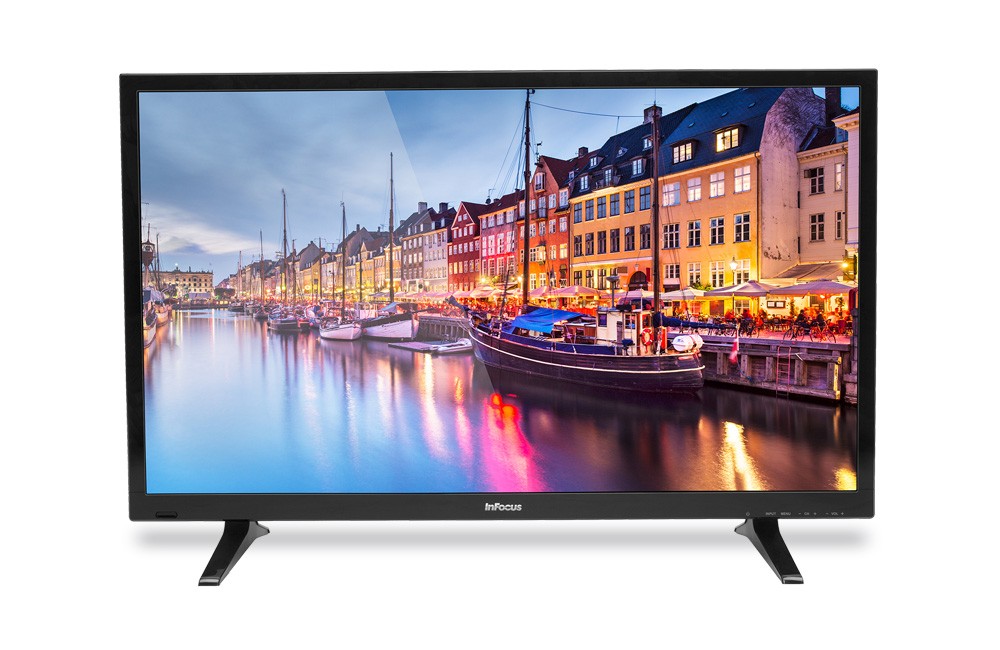
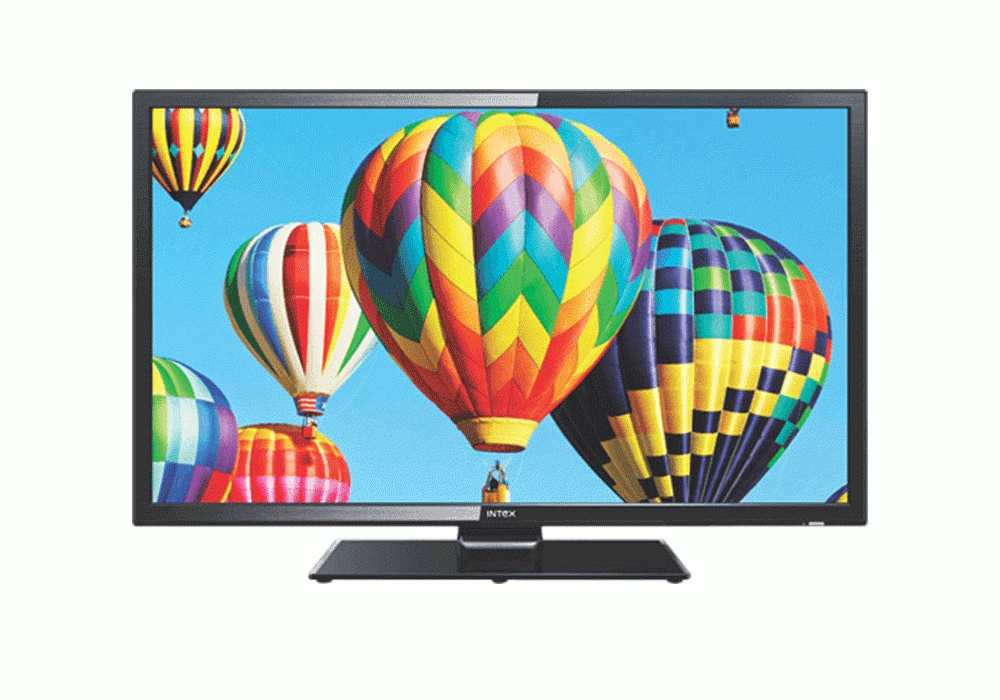
| Model No |
II-32EA800 |
LED-3110 |
| TV Type |
LED TV |
LED TV |
| Screen Size |
32 Inch (80 cm) |
32 Inch (80 cm) |
| Resolution |
1280 x 720 |
1366 x 768 |
| Aspect Ratio |
16:9 |
16:9 |
| Motion Rate |
60 Hz |
NA |
| Viewing Angle |
H:178/V:178 |
178/178 |
| USB |
| USB Version |
: 2.0 & 3.0 |
| Supported Audio Formats |
: mp3, wav, mp4, wma |
| Supported Video Formats |
: mp4, avi, mkv, asf, wmv, 3gp, mov, webm |
| Supported Picture Formats |
: jpg |
|
| USB Version |
: 2.0 |
| Supported Audio Formats |
: MP3, AAC, WMA, PCM |
| Supported Video Formats |
: MKV, DivX, MP4, AVI, ASF, MOV, FLV, DAT, VOB |
| Supported Picture Formats |
: JPG |
|
| Video |
| Contrast Ratio (typical) |
: 5000:1 |
| Brightness(typical) |
: 250 |
| Backlight |
: DLED |
| Panel/open cell supplier |
: Innolux |
| Panel Type |
: WXGA HD |
|
| Dynamic Contrast Ratio |
: Mega |
| Response Time (ms) |
: 8 |
| Brightness |
: 240 |
| Panel Type |
: HD Panel |
|
| Audio |
| Output power (RMS) |
: 2 x 8 Watts |
|
| Sound Output |
: 2 x 10 W |
| Sound Effect System |
: Stereo |
| Speaker Location |
: Bottom |
|
| Connectivity Options |
| USB |
: 2 |
| HDMI-in |
: 2 |
| Component |
: 1 |
| Composite Video In |
: 1 |
| Headphone Out |
: 1 |
| VGA |
: 1 |
| RF In(Antenna/cable) |
: 1 |
|
| HDMI |
: 1 |
| USB 2.0 |
: 1 |
| Composite (AV) in |
: 1 |
| VGA Input |
: 1 |
| Composite (AV) Out |
: 1 |
| PC Audio Input (Mini Jack) |
: 1 |
| RF In |
: 1 |
|
| Other Features |
| OSD Language |
: English |
| A+ grade bright panel |
: Yes |
| Smart Low-reflection UV2A technology |
: Yes |
|
| Smart Power Saving |
: Yes |
| Full HD Video Playability through USB 2.0 |
: Yes |
| Built in Stereo Speaker |
: Yes |
| Digital Noise Reduction |
: Yes |
| Intelligent Picture Technology |
: Yes |
| Eye safe T matrix |
: Yes |
| Edge LED Technology |
: DLED |
| Certification |
: ROHS |
|
| General Details |
| Net Weight(With Stand) |
: 5.7 kg |
| Gross Weight With Carton |
: 7.2 kg |
| Front Bezel Width(Top,Left,Right,Bottom) |
: 19.3 mm |
| Power Consumption |
: 105 Watts |
|
| Power Supply |
: 110 V - 220 V 50 / 60Hz |
| Power Consumption |
: 60 W |
| Power Consumption Standby |
: 0.1 W |
|
| Supplied Accessories |
| Remote Handset |
: Yes |
| Battery Cell |
: Yes |
| User's Guide Book |
: Yes |
|
| Remote Control |
: Yes |
| Batteries |
: Yes |
| User Manual |
: Yes |
| Warranty Card |
: Yes |
| Power Cable |
: Yes |
| Base Stand |
: Yes |
| Wallmount |
: Yes |
|
 ALERT
ALERT