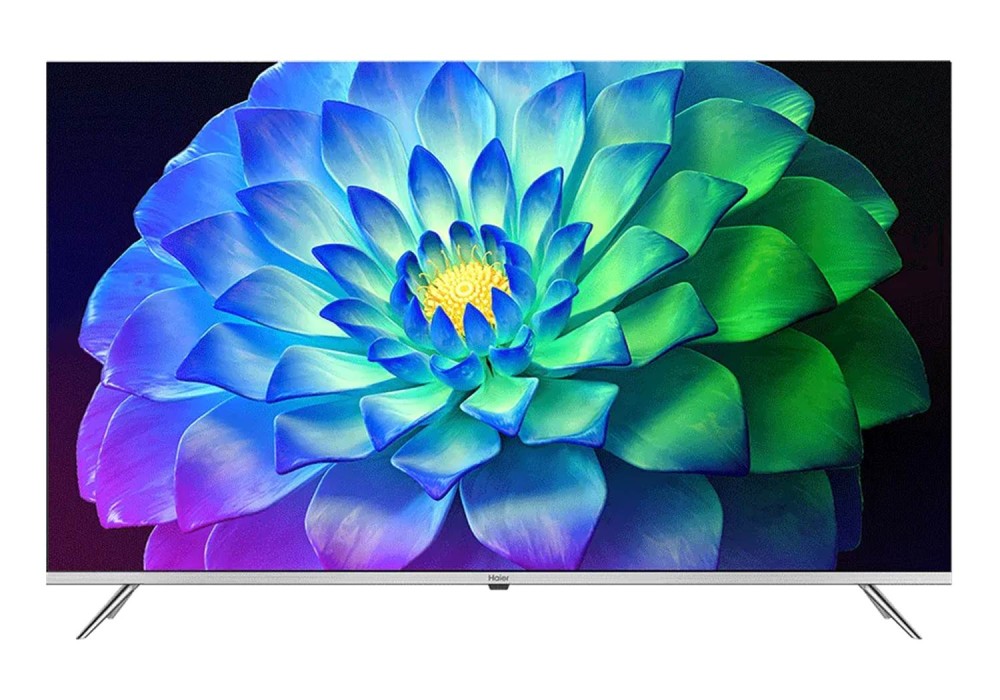
| Model No |
75U7H |
H75P751UX |
| TV Type |
Smart TV |
Smart TV |
| Screen Size |
75 Inch (191 cm) |
75 Inch (191 cm) |
| Resolution |
4K 3840 x 2160 |
4K 3840 x 2160 |
| Aspect Ratio |
16:9 |
16:9 |
| Motion Rate |
120 Hz |
60 Hz |
| Viewing Angle |
178°/178° |
178°/178° |
| USB |
| USB Version |
: 3.0 |
| Supported Audio Formats |
: WMA, WMV, MP4, FLAC, MP2, MP3 |
| Supported Video Formats |
: AVI, WMV, MP4, MOV, 3GP, MKV, MPG, MPEG, VOB, FLV, WebM, OGM |
| Supported Picture Formats |
: JPEG, BMP, PNG, GIF, MPO |
|
| USB Version |
: 2.0 |
| Supported Audio Formats |
: AAC, M4A, MP2, MP3, WMA |
| Supported Video Formats |
: 3GP, ASF, AVI, DAT, FLV, MKV, MOV, MP4, MPEG, MPG, VOB |
| Supported Picture Formats |
: JPEG, GIF, PNG |
|
| Video |
| Backlight |
: Quantum ULED 4K |
| Backlight Type |
: Full Array |
| Noise Reduction |
: Yes |
| 4K Upscaling |
: Yes |
| Screen Resulution |
: 4K |
| Dolby Vision |
: Yes |
| HDR10 |
: Yes |
| HDR10+ |
: Yes |
| HLG |
: Yes |
| MEMC |
: Yes |
| Local Dimming |
: Yes |
| FilmMaker Mode |
: Yes |
| Response Time |
: 6.5 ms |
| Wide Color Gamut |
: Quantum Dot |
| Brightness Level |
: Up To 1000 Nits Peak Brightness |
|
| Backlight |
: 4K UHD QLED |
| MEMC |
: Yes |
| HDR10 |
: Yes |
| 4K HDR |
: Yes |
| Dolby Vision |
: Yes |
| Picture Mode |
: 5 Modes |
|
| Audio |
| Sound Output Power |
: 2 X 15 W |
| Dolby Atmos |
: Yes |
| IMAX Enhanced |
: Yes |
|
| Audio Power Output ( RMS ) |
: 30 W |
| Dolby Atmos |
: Yes |
|
| Connectivity Options |
| HDMI |
: 4 ( 2 X Up To 4K@120Hz, 2 X Up To 4K@60Hz ) |
| USB ( USB3.0 + USB 2.0 ) |
: 2 |
| Ethernet / LAN |
: Yes |
| HDMI ARC |
: Yes |
| HDMI CEC |
: Yes |
| RF Antenna |
: Yes |
| Bluetooth® |
: Yes |
| Wireless Built- In |
: Yes |
| Digital Audio Output Optical |
: Yes |
| Earphone / Audio Output |
: Yes |
| RCA Composite Video Input |
: Yes 1 ( 3.5 mm With Adapter ) |
| L / R Audio Input For Composite |
: Yes 1 ( 3.5 mm With Adapter ) |
| Wi-Fi Built In |
: Yes 802.11 ac Dual Band ( 2.4 / 5 GHz ) |
|
| HDMI ( 2.1 ) |
: 4 ( HDMI 2.1 Compliance ALLM eARC ) |
| USB ( 2.0 ) |
: 2 |
| Bluetooth 5.1 |
: Yes |
| Ethernet / LAN |
: Yes |
| Headphone Output |
: Yes |
| Google Chromecast Built-In |
: Yes |
|
| Smart TV Features |
| Google TV |
: Yes |
| Smart TV |
: Yes |
| Work With Alexa |
: Yes |
| Web Browser |
: Yes |
| Google Assistant Built - In |
: Yes |
| Game Mode Pro |
: Yes |
| Hands Free Voice Control |
: Yes |
| App Store |
: Yes ( Google Play App Store ) |
|
| Operating System |
: Google TV |
| RAM |
: 2 GB |
| ROM |
: 32 GB |
| Google Assistant |
: Yes |
| Google Play Store |
: Yes |
| Mobile Remote App |
: Yes |
| Hands Free Voice Control |
: Yes |
|
| Other Features |
| Design |
: Metal Bezel-Less |
| Sleep Timer |
: Yes |
| Closed Caption |
: Yes |
| Parental Control |
: Yes |
| Warranty |
: 2 - Year Warranty |
| On -Screen Display |
: English, French, Spanish |
|
| Design |
: Metal Bezel-Less Design |
| Warranty |
: 2 Years |
|
| General Details |
| Power Supply |
: AC 120V, 50 / 60Hz |
| Power Consumption |
: 400 W |
| Energy Efficiency Class |
: <0.5 W |
| Weight Without Stand |
: 34.60 Kg |
| Weight With Stand |
: 35.19 Kg |
| Weight With Packaged |
: 48.48 Kg |
| VESA Mount Pattern |
: 600 mm x 400 mm |
|
| Power Supply ( Voltage, Hz ) |
: AC 100V-240V 50/60Hz |
| Power Consumption |
: 300 W |
| Power Consumption Standby |
: ≤0.5 W |
| Energy Saving Mode |
: Yes |
| Weight Without Stand |
: 22.8 Kg |
| Weight With Stand |
: 23.2 Kg |
| Gross Weight |
: 31.5 Kg |
|
| Supplied Accessories |
| Voice Remote Control |
: Yes |
| Quick Set Up Guide |
: Yes |
| User Manual |
: Yes |
| Power Cable |
: Yes |
| Wall Mount Screw |
: M8 |
|
| Remote Control |
: Yes |
| 2 AAA Batteries |
: Yes |
| Power Cord |
: Yes |
| User Manual |
: Yes |
|
 ALERT
ALERT