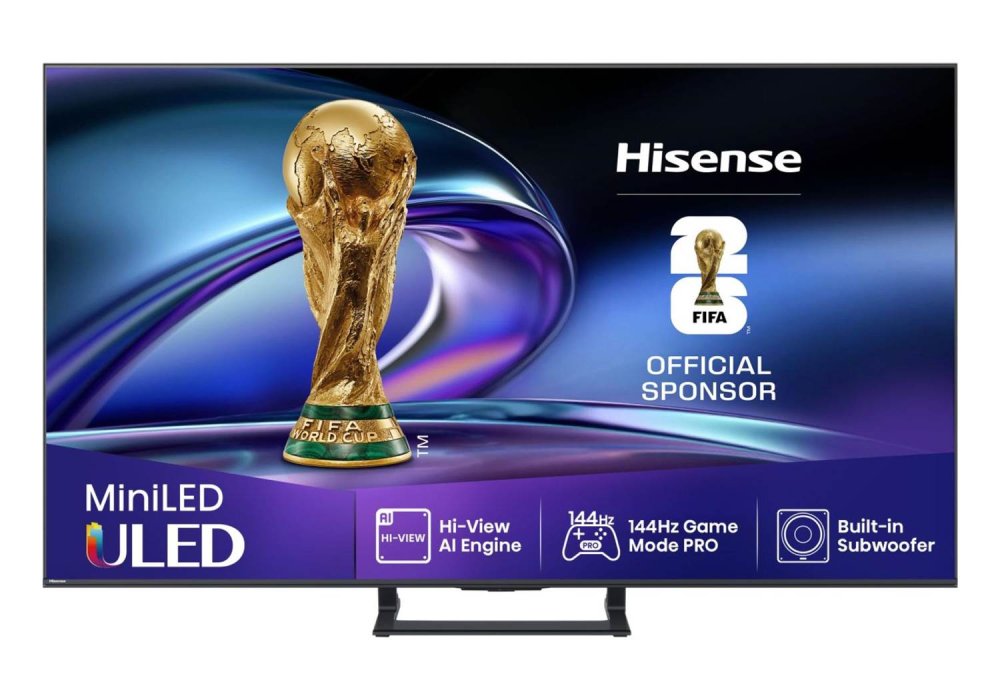
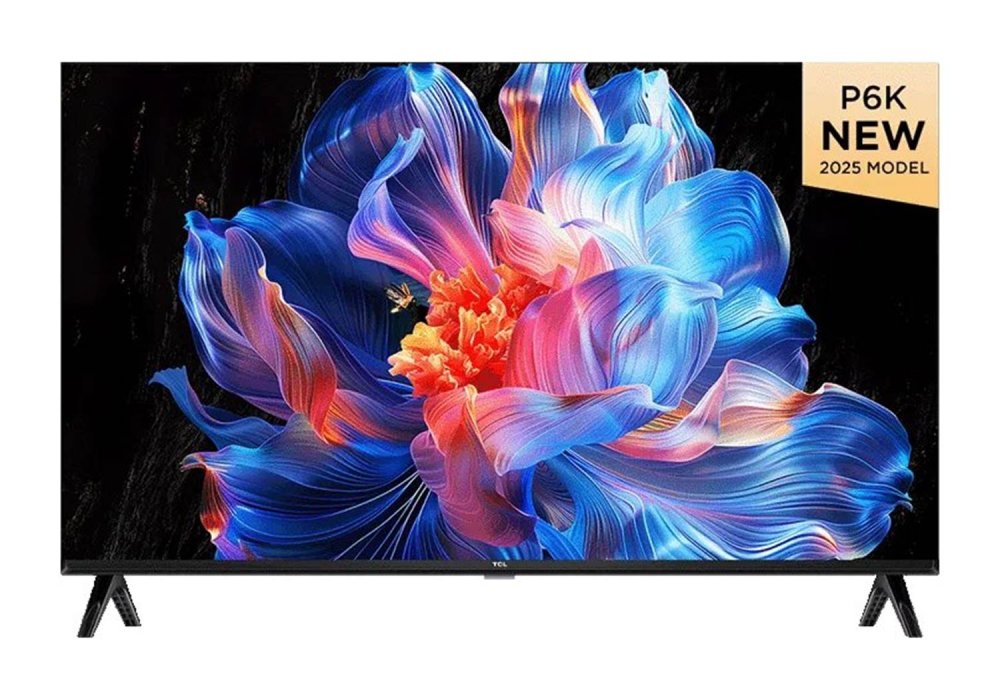
| Model No |
55E8Q |
55P6K |
| TV Type |
Smart TV |
Smart TV |
| Screen Size |
55 Inch (139 cm) |
55 Inch (139 cm) |
| Resolution |
4K 3840 x 2160 |
4K 3840 x 2160 |
| Aspect Ratio |
16:9 |
16:9 |
| Motion Rate |
144 Hz |
60 Hz |
| Viewing Angle |
178°/178° |
178°/178° |
| USB |
| USB Version |
: 3.0, 2.0 |
| Supported Audio Formats |
: MPEG, WMA, FLAC, MP3, AAC, WAV, OPUS |
| Supported Video Formats |
: HEVC, AVC, WEBM, MPEG, MOV, WMV, FLV, TS, MKV, MP4, AVI |
| Supported Picture Formats |
: GIF, PNG, BMP, JPEG |
|
| USB Version |
: 2.0 |
| Supported Audio Formats |
: MP3, MKV, WMA |
| Supported Video Formats |
: MKV, MP4, AVI, & WMV, H.264, H.265 ( HEVC ), VP9, MPEG |
| Supported Picture Formats |
: JPEG, PNG, BMP, GIF |
|
| Video |
| Backlight |
: 4K UHD ULED MiniLED |
| HLG |
: Yes |
| HDR |
: Yes |
| HDR10 |
: Yes |
| HDR10+ |
: Yes |
| AI 4K Upscaler |
: Yes |
| Dolby Vision IQ |
: Yes |
| Filmmaker Mode |
: Yes |
| HDR10+ Adaptive |
: Yes |
| MEMC Technology |
: Yes |
| Immersive 4K HDR |
: Yes |
| Upscaling Ultra HD |
: Yes |
| Dolby Vision Gaming |
: Yes |
| Wide Color Spectrum |
: Yes |
| Digital 3D Comb Filter |
: Yes |
| MPEG Noise Reduction |
: Yes |
| Image Noise Reduction |
: Yes |
| Quantum Dot Technology |
: Yes |
| HDR10+ Gaming Technology |
: Yes |
| Panel Response Time |
: 6 ms |
| Contrast |
: 5000:1 |
| Picture Engine |
: Hi-View AI Engine |
| Input Delay In Game Mode |
: ≤ 7 ms ( 4K 120Hz input ) |
|
| Backlight |
: 4K UHD DLED |
| HDR |
: Yes |
| HLG |
: Yes |
| MEMC |
: Yes |
| Ai HDR |
: Yes |
| HDR10 |
: Yes |
| Ai Color |
: Yes |
| Ai Clarity |
: Yes |
| HVA Panel |
: Yes |
| Ai Contrast |
: Yes |
| Multiple Eye Care |
: Yes |
| 3X Contrast Enhancement |
: Yes |
| Dynamic Color Enhancement |
: Yes |
| Picture Engine |
: AiPQ Engine |
| System Brightness |
: 270 Nits ( Typ ) |
|
| Audio |
| Sound Output ( RMS ) |
: 2 X 10 W + 20 W |
| EzPlay |
: Yes |
| TV Mode |
: Yes |
| Hi-Concerto |
: Yes |
| Custom Equalizer |
: Yes |
| Built-In Subwoofer |
: Yes |
| Dolby Atmos System |
: Yes |
| Sound Technology |
: Dolby Atmos DTS Virtual X Decoding |
|
| Sound Output Power ( RMS ) |
: 2 X 12 W |
| Speakers |
: 2 |
| Dolby Audio |
: Yes |
| Sound Channel |
: 2.0 Sound System |
|
| Connectivity Options |
| HDMI ( 2.1 ) |
: 3 ( HDMI1, 2 X 2.1 ALLM, VRR ( 60Hz ), HDMI3 X 2.1 eARC, ALLM, VRR ( 144HZ )) |
| USB ( 3.0 + 2.0 ) |
: 2 ( USB3.0 X 1, USB2.0 X 1 ) |
| RF Tuner |
: 2 |
| Ethernet / LAN |
: 1 |
| S/PDIF Outputs |
: 1 |
| Headphone Jacks |
: 1 |
| Audio Inputs ( L / R ) |
: 1 |
| Composite Inputs ( AV ) |
: 1 |
| Bluetooth |
: Yes |
| Standard Interface ( CI+ ) |
: V2.0 |
| Wi-Fi Technology |
: IEEE 802.11 a/b/g/n/ac-2.4G,5G |
|
| HDMI ( 2.1 ) |
: 3 |
| USB ( 2.0 ) |
: 2 |
| WiFi 5 |
: Yes |
| Miracast |
: Yes |
| HDMI CEC |
: Yes |
| Bluetooth 5.2 |
: Yes |
| Ethernet / LAN |
: Yes |
| Digital Audio Out |
: Yes |
| HDMI2.1 ( eARC & ARC ) |
: Yes |
| HDMI Version |
: HDMI1.4 & HDMI2.0 & HDMI2.1, HDCP1.4 & HDCP2.2 |
|
| Smart TV Features |
| Operating System |
: VIDAA Smart OS |
| Netflix |
: Yes |
| YouTube |
: Yes |
| Prime Video |
: Yes |
| Share Screen |
: Yes |
| AirPlay 2 Support |
: Yes |
| Sharing Content |
: DMP, DMR |
|
| Operating System |
: Google TV |
| RAM |
: 2 GB |
| ROM |
: 16 GB |
| Netflix |
: Yes |
| YouTube |
: Yes |
| Video Chat |
: Yes |
| Voice Control |
: Yes |
| Google Assistant Built-In |
: Yes |
| Preloaded Apps |
: Google Play, Netflix, Youtube, Sony LIV, Featured Apps ......... |
|
| Other Features |
| Design |
: Bezel-Less Design |
| Color |
: Black, Dark Grey |
| Child Lock |
: Yes |
| AI Light Sensor |
: Yes |
| Total HDR Solution |
: Yes |
| Digital & Analog Tuner |
: DVB-T2, T, C, S2, S |
| Time Shift |
: Model Dependent |
| PVR Function |
: Model Dependent |
| Media Player |
: Audio, Picture, Video |
|
| Design |
: Metallic Bezel-Less Design |
| Color |
: BLack |
| Sleep Timer |
: Yes |
| Parental Lock |
: Yes |
| Quick Settings |
: Yes |
| Warranty Summary |
: 2 Year Warranty |
| EPG |
: Yes ( For DTV Programme Only ) |
|
| General Details |
| Power Supply |
: AC 100 V-240V 50/60Hz |
| Power Consumption |
: 180 W |
| Power Consumption Standby |
: 0.5 W |
| Energy Efficiency Class SDR |
: E |
| Energy Efficiency Class HDR |
: G |
| Product Weight Without Stand |
: 14.8 Kg |
| Product Weight With Stand |
: 14.8 Kg |
| Product Weight Packaged |
: 19.5 Kg |
| VESA Wall Mount Compatible |
: 400 mm X 200 mm |
|
| Power Supply |
: AC 100V – 240V 50-60Hz |
| Power Consumption |
: 125 W |
| Power Consumption Standby |
: 0.5 W |
| Weight Without Stand |
: 9 Kg |
| Weight With Stand |
: 9.2 Kg |
| Weight With Packaging |
: 12.5 Kg |
| VESA Wall-Mounting |
: 200 mm X 200 mm |
|
| Supplied Accessories |
| Remote Control |
: Yes |
| User Manual |
: Yes |
| Quick Set Up Guide |
: Yes |
|
| Remote Control |
: Yes |
| Stand |
: Yes |
| Power Cable |
: Yes |
| User Manual |
: Yes |
| Quick Start Guide |
: Yes |
| 2 X AAA Batteries |
: Yes |
|
 ALERT
ALERT