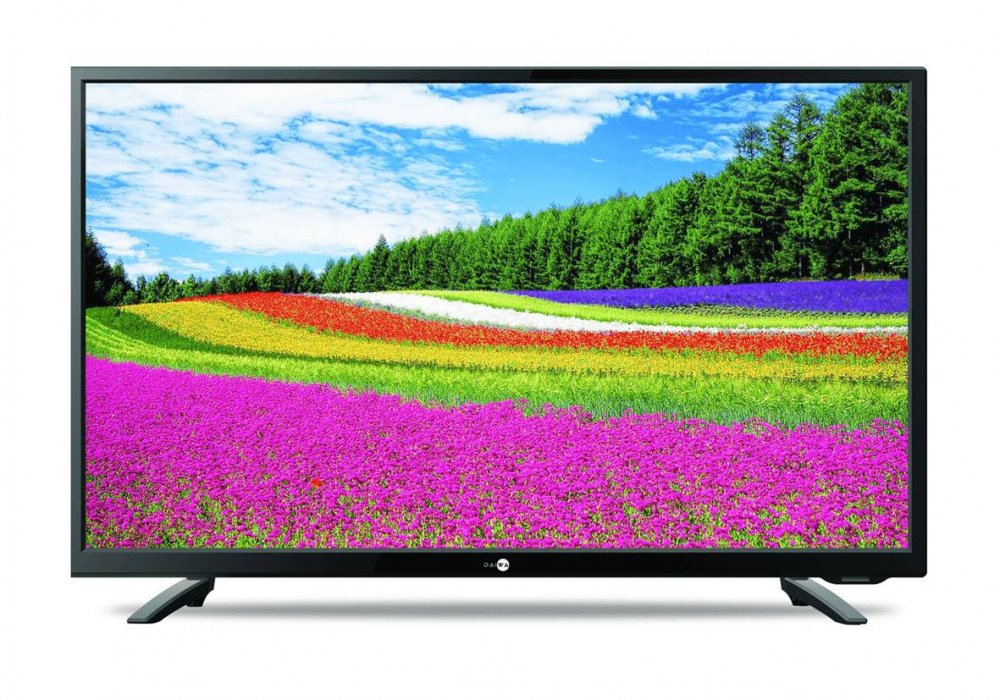
| Model No |
32A4NR |
D32A10 |
| TV Type |
Smart TV |
Smart TV |
| Screen Size |
32 Inch (80 cm) |
32 Inch (80 cm) |
| Resolution |
1920 x 1080 |
1366 x 768 |
| Aspect Ratio |
16:9 |
16:9 |
| Motion Rate |
60 Hz |
60 Hz |
| Viewing Angle |
178°/178° |
178°/178° |
| USB |
| USB Version |
: 2.0 |
| Supported Audio Formats |
: WMA, FLAC, MP3, AAC, WAV, PCM, AC-3, OPUS |
| Supported Video Formats |
: AVI, MP4, MKV, TS, FLV, WMV, MOV, MPG, MPEG, VOB, ASF |
| Supported Picture Formats |
: GIF, PNG, BMP, JPEG |
|
| USB Version |
: 2.0 |
| Supported Audio Formats |
: MP3 |
| Supported Video Formats |
: MPEG-1, MPEG-2 |
| Supported Picture Formats |
: JPEG |
|
| Video |
| Backlight |
: FHD Full Array LED |
| Digital Noise Reduction |
: Yes |
| Natural Color Enhancer |
: Yes |
|
| Backlight |
: DLED |
| 16.7 Million Colours |
: Yes |
| HRDP Technology |
: Yes |
| Wide Viewing Angle |
: Yes |
| Response Time |
: 6.5 ms |
| Contrast Ratio |
: 400000:1 |
| Panel Type |
: A+ Grade Panel |
|
| Audio |
| Sound Output Power ( RMS ) |
: 12 W |
| Surround Sound |
: 2 Channel |
| Audio Enhancement |
: Dolby Audio™ |
|
| Audio Output Power |
: 20 W |
| Surround Sound |
: Yes |
|
| Connectivity Options |
| HDMI ( 1.4 ) |
: 3 |
| USB ( 2.0 ) |
: 1 |
| HDMI CEC |
: Yes |
| HDMI eARC |
: Yes |
| Digital Audio Out |
: Yes |
| Earphone / Audio Output |
: Yes |
| RCA Composite Video Input |
: Yes |
| L / R Audio Input For Composite |
: Yes |
| RF Antenna |
: ATSC 1.0 |
| Wireless Built-In |
: 802.11 ac |
|
|
| Smart TV Features |
| Operating System |
: Roku TV |
| Netflix |
: Yes |
| Disney+ |
: Yes |
| Works With Alexa |
: Yes |
|
| CPU |
: 64 Bit, A 35 Quad Core 1.5 GHz |
|
| Other Features |
| Design |
: Bezel-Less Design |
| Front Colour |
: Black |
| Sleep Timer |
: Yes |
| Closed Caption |
: Yes |
| Warranty |
: 1 Year Warranty |
| On-Screen Display |
: English, French, Spanish |
|
| Maximum Operating Distance |
: 8 Feet |
| Responsive Gaming Experience |
: Yes |
|
| General Details |
| Power Supply |
: AC 100 V ~ 240 V, 50 Hz / 60 Hz |
| Power Consumption |
: 50 W |
| Power Consumption Standby |
: <0.5 W |
| Weight Without Stand |
: 3.71 Kg |
| Weight With Stand |
: 3.81 Kg |
| Product Weight Packaged |
: 5.57 Kg |
| VESA Wall Mount Compatible |
: 100 mm X 200 mm |
|
| Power Requirements |
: AC |
| Power Consumption |
: NA |
| Standby Power Consumption |
: NA |
| Net Weight |
: 6.35 Kg |
|
| Supplied Accessories |
| Roku Simple Remote Control |
: Yes |
| Power Cord |
: Yes |
| User Manual |
: Yes |
| Quick Setup Guide |
: Yes |
|
| Remote Control |
: Yes |
| User Manual |
: Yes |
| Wall Mount |
: Yes |
| Warranty Card |
: Yes |
| Table Stand Pair |
: Yes |
|
 ALERT
ALERT