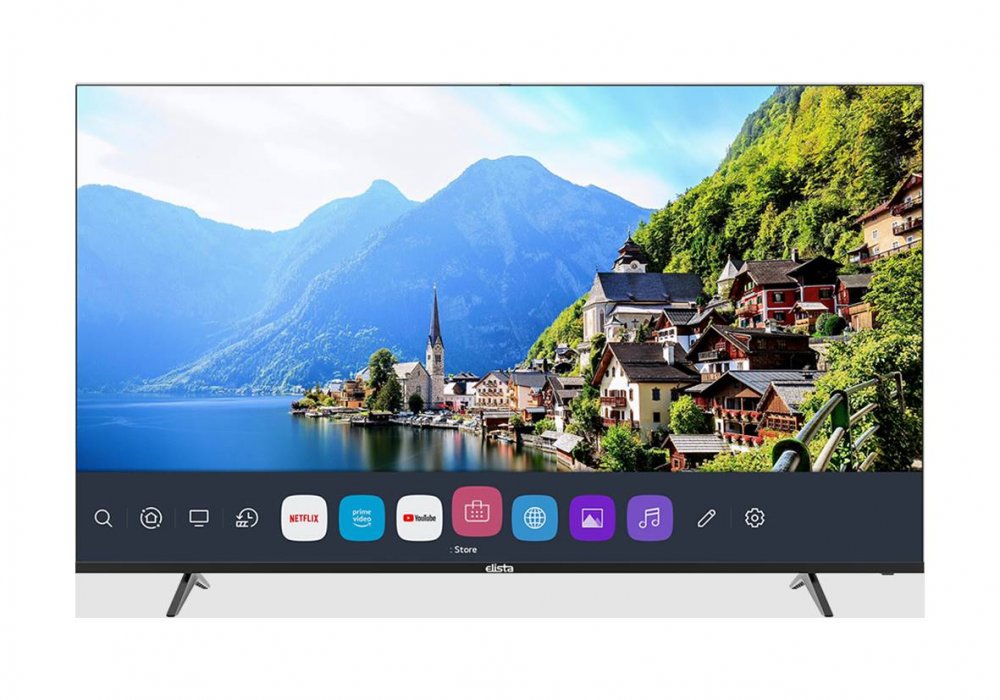
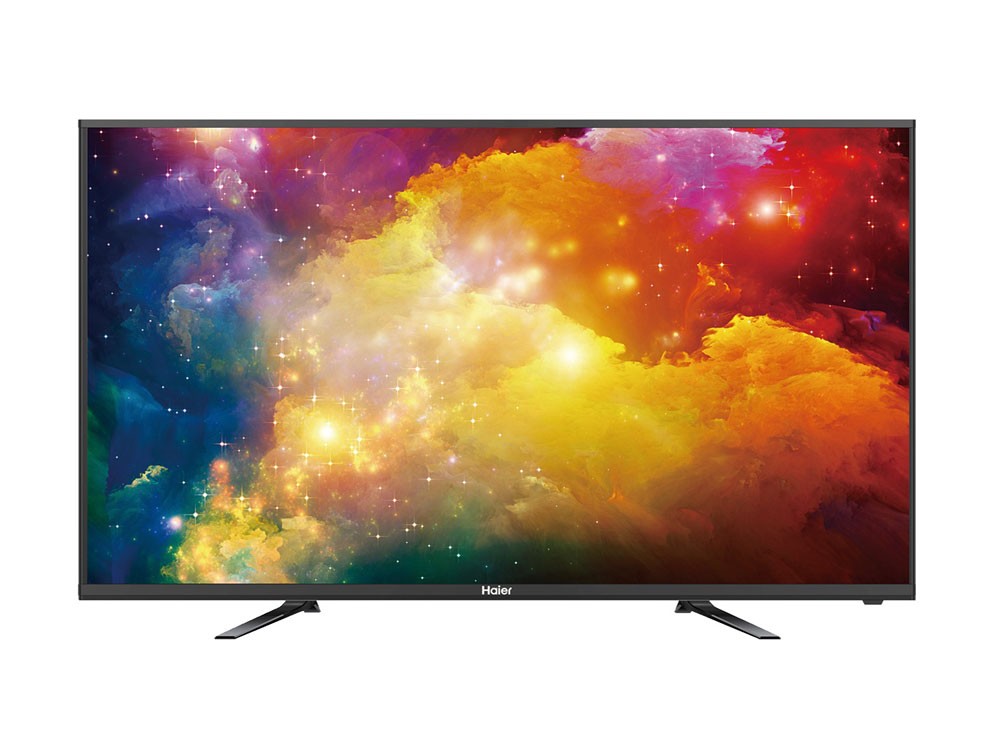
| Model No |
LED -WU65EKC74 |
LE65B8000 |
| TV Type |
LED TV |
LED TV |
| Screen Size |
65 Inch (164 cm) |
65 Inch (164 cm) |
| Resolution |
4K 3840 x 2160 |
1920 x 1080 |
| Aspect Ratio |
16:9 |
16:9 |
| Motion Rate |
60 Hz |
NA |
| Viewing Angle |
178°/178° |
170/160 |
| USB |
| USB Version |
: 2.0 |
| Supported Audio Formats |
: MP3, AAC, WMA, WAV, FLAC |
| Supported Video Formats |
: MPG, MPEG, MP4, MOV, MKV, AVI, FLV, WEBM |
| Supported Picture Formats |
: JPEG, PNG, BMP, GIF, |
|
| USB Version |
: 2.0 & 3.0 |
| Supported Audio Formats |
: MP3, AAC, WMA, PCM |
| Supported Video Formats |
: MKV, DivX, MP4, AVI, ASF, MOV, FLV, DAT, VOB |
| Supported Picture Formats |
: JPG |
|
| Video |
| Backlight |
: 4K UHD LED |
| HDR |
: Yes |
| Panel |
: A+ Panel |
|
| No. of Picture Mode Settings |
: 4 |
| Noise Reduction |
: Yes |
| Comb Filter |
: Yes |
|
| Audio |
| Audio Output ( RMS ) |
: 20 W |
| Dolby Audio |
: Yes |
|
| Audio Power Output |
: 2 x 10 W |
| No. of Sound Mode Setting |
: 5 |
| Automatic Volume Control |
: Yes |
|
| Connectivity Options |
| HDMI |
: 3 |
| USB 2.0 |
: 2 |
| RF |
: Yes |
| AV In |
: Yes |
| Wi-Fi |
: Yes |
| Earphone |
: Yes |
| Bluetooth |
: Yes |
| Optical Out |
: Yes |
| Ethernet / LAN |
: Yes |
|
| HDMI |
: 2 |
| USB |
: 1 |
| AC Power Input |
: 1 |
| RF Connection Input |
: 1 |
| Composite Video Input |
: 1 |
| Component Video (Y/Pb/Pr) |
: 1 |
| Analog Audio Input |
: 1 |
| Audio Output |
: 1 |
|
| Smart TV Features |
| Operating System |
: LG WebOS TV |
| RAM |
: 1.5 GB |
| ROM |
: 8 GB |
| Netflix |
: Yes |
| Youtube |
: Yes |
| Miracast |
: Yes |
| Built In Alexa |
: Yes |
| LG ThinQ APP |
: Yes |
| Amazon Prime |
: Yes |
| Screen Mirroring |
: Yes |
| LG ThinQ AI and Alexa |
: Yes |
| Browser Support |
: HTML5 |
| Magic Remote Control |
: Yes ( Universal, Control, Point, Click, Scroll, Voice ) |
| Streaming Services |
: Netflix, YouTube, Disney+, Apple Tv +, Starzplay Arabia, Osn Streaming, Mbc Shahid, Viu, Sonyliv, HBO Max |
|
| Smart TV |
: Yes |
| Smart TV Platform |
: Anroid |
|
| Other Features |
| Design |
: Bezel Less design |
| Color |
: Black |
| Smart Remote |
: Yes |
| Mouse Cursor On Remote |
: Yes |
| OSD Language |
: English |
|
| Blue Back |
: Yes |
| Sleep Timer |
: Yes |
| On / Off Timer |
: Yes |
| OSD Language |
: Yes |
| USB Photo Viewer |
: Yes |
| USB Music Player |
: Yes |
| USB Video Player |
: Yes |
| Favourites |
: Yes |
| Info |
: Yes |
|
| General Details |
| Power Requirements |
: AC 100V - 240V, 50/60Hz |
| Power Consumption |
: 180 W |
| Power Consumption Standby |
: ≤0.5 W |
| Net Weight Wthout Stand |
: 18.7 Kg |
| Net Weight With Stand |
: 28.6 Kg |
|
| Power Supply |
: 220 V |
| Power Consumption |
: 198 W |
| Power Consumption Standy By mode |
: 0.5 W |
| Weight with Stand |
: 18.2 Kg |
| Gross Weight |
: 25.5 Kg |
|
| Supplied Accessories |
| Remote Control |
: Yes |
| 2 AAA Batteries |
: Yes |
| User Manual |
: Yes |
| Desktop Stand |
: Yes |
| Warranty Card |
: Yes |
| Stand Support Screw - 6 |
: Yes |
|
| Remote Control |
: Yes |
| Power Cord |
: Yes |
| User Manual |
: Yes |
|
 ALERT
ALERT