 ALERT
ALERT
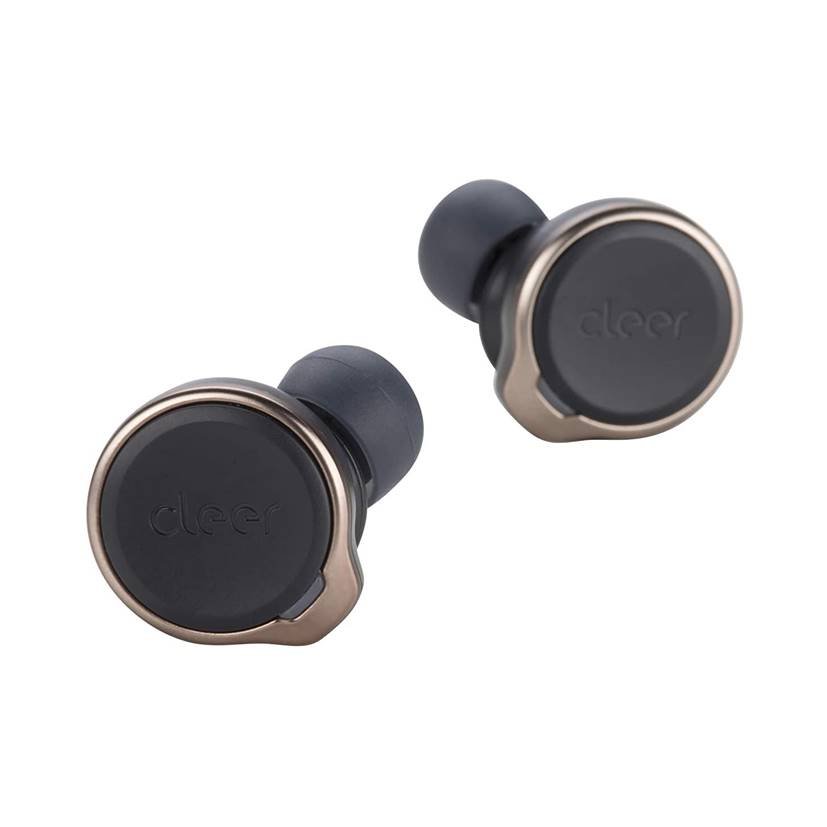
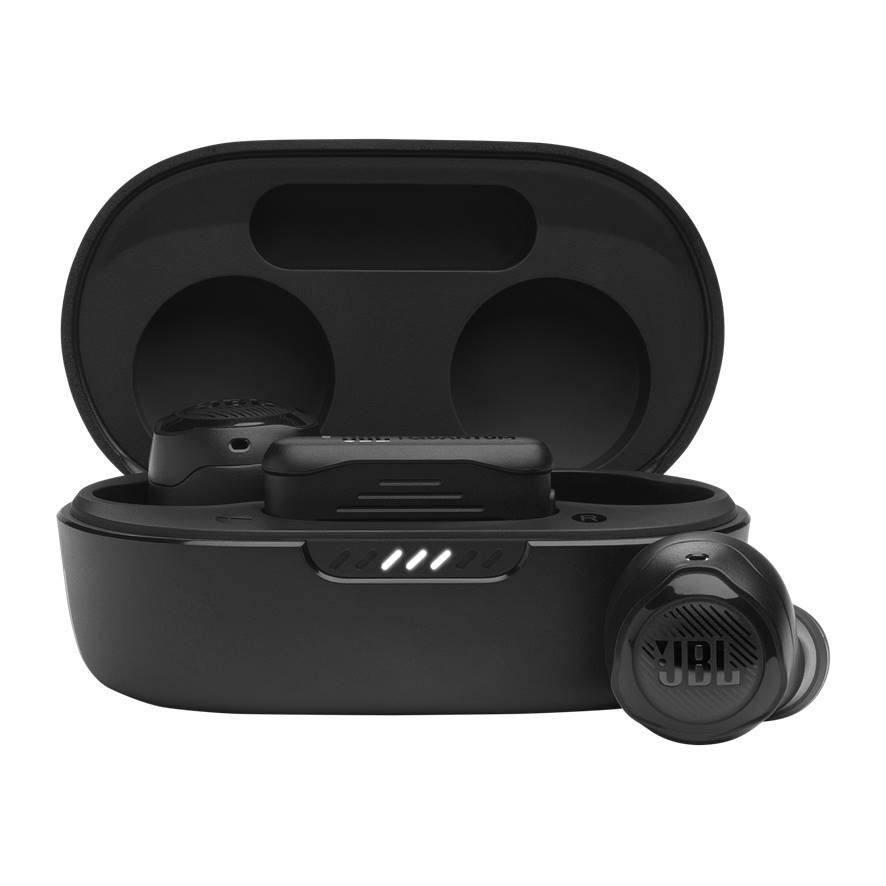
Cleer Audio ALLY PLUS vs JBL Quantum TWS AIR
Advertisement
| Specification | ||
|---|---|---|
| Price | Rs.12,300.61 |
Rs.11,999.00 |
| Brand | Cleer Audio |
JBL |
| Model No | ALLY PLUS |
Quantum TWS AIR |
| Wired / Wireless | Wireless Headphone Specification |
Wireless Headphone Specification |
| Headphone Type | In Ear Canal |
Over Ear |
| Magnet Type | Neodymium Dynamic |
Dynamic |
| Driver Diameter | 10 mm |
6.8 mm |
| Impedance | NA |
16 Ohms |
| Sensitivity | NA |
102dB SPL@1 kHz |
| Frequency Response | 20 Hz - 20000 Hz |
20 Hz - 20KHz |
| Maximum Power Input | NA |
5V 1A |
| Wireless / Bluetooth Details | ||
| Wireless Technology | Bluetooth |
Bluetooth |
| Bluetooth Version | 5.0 |
5.2 |
| Compatible Profiles | All Bluetooth Devices |
All Bluetooth Devices |
| Supported Codecs | A2DP, AVRCP, HFP, HSP, SBC, aptX Adaptive |
AAC, SBC |
| Battery Type | Lithium-Ion Batteries |
Lithium-Ion Batteries |
| Bluetooth Range | 10 Meters |
10 Meters |
| Battery Life | 20 Hours |
24 Hours |
| Charging Time | 2 Hours |
2 Hours |
| Noise Cancelling | ADNC |
Active Noise Cancelling |
| Available Colors | Grey, Gold |
Black |
| Connector Plating | NA |
NA |
| Cable | USB Type-C Charging Cable |
USB Type-C Charging Cable |
| Weight | 79.6 Gm |
44 GM |
| Other Features | Swipe control for volume. 10mm Neodymium drivers. Adaptable Digital Noise Cancellation. Sound Personalization via Cleer+ App. Industry leading 10 hours battery life* IPX4 water resistance certified ( Earbuds Only ). Seamless design with ergonomic fitting earbuds design. Latest beamforming technology for enhanced call quality. Mimi Hearing Health Sound Personalization via Cleer+ App. Up to 10 hrs per earbud, Up to 20 adtl. hrs with charging case. 5 min charge provides 1hours less than 2 hours for full charge. * 10 hours of battery life with noise cancelling off at 75% volume. Included slim carrying case provides additional 20 hours of playback. |
IPX4 Water and dust resistant. Up To 24 hours of music playback. Crystal clear voice with beamforming microphones. 6 mics and integrated beamforming technology ensure your voice is always heard, whether giving commands or chatting with friends. Experience low latency wireless connection with the included USB-C dongle for compatible devices. JBL Quantum TWS earbuds work seamlessly with Bluetooth enabled devices like smartphones and tablets. JBL Quantum Surround : Feel like you re stepping inside the game with JBL Quantum Surround* for immersive and accurate sound all around you. *JBL Quantum Surround is only available on PC in combination with JBL Quantum Engine software. Check the connectivity guide for compatibility. Stay connected with Fast Pair and JBL Dual Source. Easily switch between 2.4GHz lossless wireless and Bluetooth for incoming calls without interrupting your gaming; Stay focused in the game with JBL's True Adaptive Noise Cancelling, or stay aware of your surroundings with Ambient Aware. |
Advertisement
Compare Cleer Audio ALLY PLUS with:
Compare JBL Quantum TWS AIR with:
Top Differences
- Battery Life: 20 Hours vs 24 Hours
- Noise Cancelling: ADNC vs Active Noise Cancelling
- Driver Size: 10 mm vs 6.8 mm
- Bluetooth: 5.0 vs 5.2
- Weight: 79.6 Gm vs 44 GM
Advertisement