 ALERT
ALERT
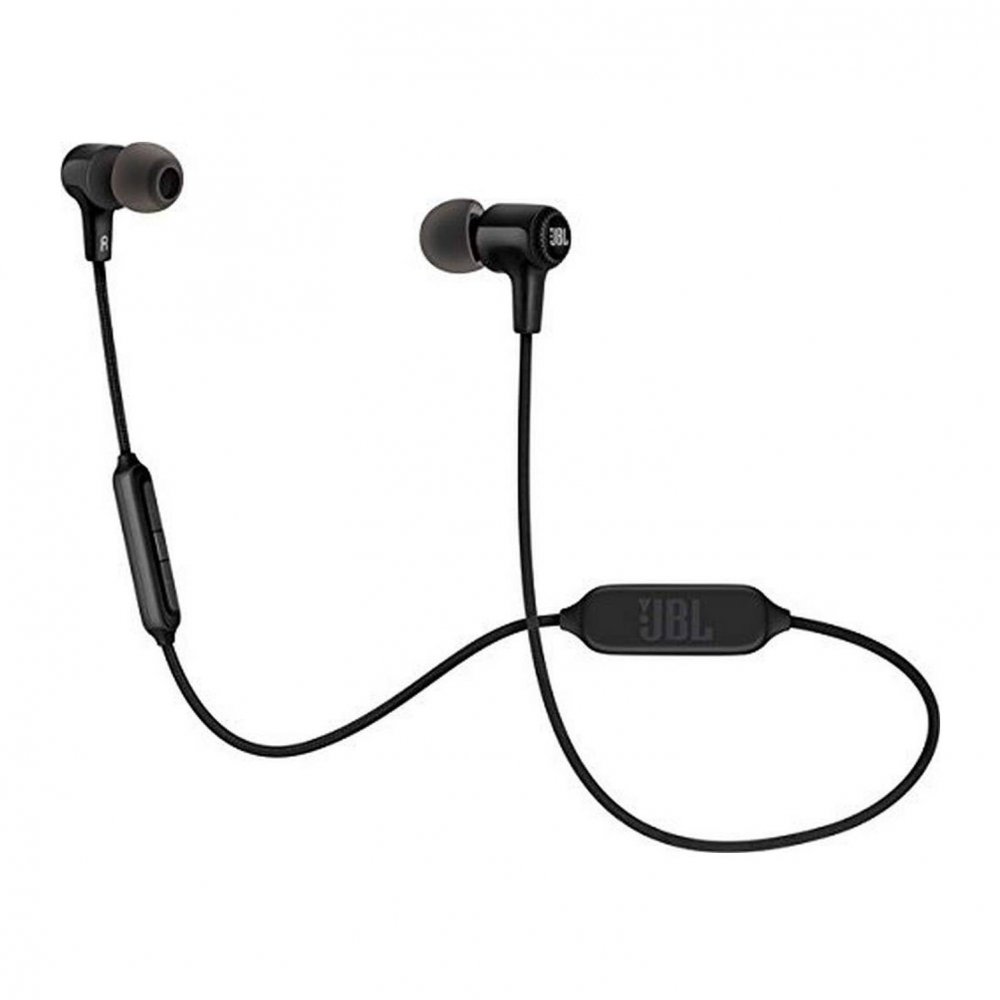
boAt Nirvana Ion ANC vs JBL E25BT
Advertisement
| Specification | ||
|---|---|---|
| Price | Rs.2,799.00 |
Rs.2,799.00 |
| Brand | boAt |
JBL |
| Model No | Nirvana Ion ANC |
E25BT |
| Wired / Wireless | Wireless Headphone Specification |
Wireless Headphone Specification |
| Headphone Type | In Ear |
In Ear |
| Magnet Type | Dynamic |
Dynamic |
| Driver Diameter | 10 mm |
8 mm |
| Impedance | NA |
16 ohm |
| Sensitivity | 32dB |
102dB |
| Frequency Response | 20 Hz - 20000 Hz |
20 Hz - 20000 kHz |
| Maximum Power Input | 5 V 2A |
NA |
| Wireless / Bluetooth Details | ||
| Wireless Technology | Bluetooth |
Bluetooth |
| Bluetooth Version | 5.2 |
4.1 |
| Compatible Profiles | All Bluetooth Devices |
All Bluetooth Devices |
| Supported Codecs | AAC, SBC |
HFP, HSP, A2DP, AVRCP |
| Battery Type | Lithium-Ion Batteries |
Lithium-ion Polymer Battery |
| Bluetooth Range | 10 Meters |
10 Meters |
| Battery Life | Non ANC 24 / 96 |
8 Hours |
| Charging Time | 2.5 Hours |
2 Hours |
| Noise Cancelling | Active Noise Cancellation |
NA |
| Available Colors | Black, White, Blue, Green, Purple |
Black, White, Blue, Red |
| Connector Plating | NA |
No |
| Cable | USB Type C Charging Cable |
Charging Cable |
| Weight | 45.5 Gm |
16.5 gm |
| Other Features | 1 Year warranty. BEASTâ„¢ Mode. IWPâ„¢ Technology. ASAPâ„¢ Fast charge. Boat Signature Sound. Nonstop music upto 120 hours. IPX4 Sweat & Water resistance. Quad mics with ENxâ„¢ Technology. BoAt Nirvana Ion comes with a massive playback of 120 hours including 24 hours of playback per charge. The tws earbuds come with in ear detection, just plug the earbuds in your ears to resume music and pull them out for them to pause. Crystal Bionic Sound with Dual Modes- These true wireless earbuds have Crystal Bionic Sound powered by Hifi DSP 5 which support dual eq modes: boAt Signature Sound and boAt Balanced Sound. |
Siri / Google Now. Signature JBL Sound in a compact, stylish design. Enjoy up to 8 hours of uninterrupted wireless audio. Three-button universal remote with microphone. Go the distance with awesome sound, wirelessly. Tuned for enhanced low-frequency performance. You can also seamlessly switch from music on your portable device to a call from your phone, so that you never miss a call. |

Advertisement
Compare boAt Nirvana Ion ANC with:
Compare JBL E25BT with:
Top Differences
- Battery Life: 8 Hours vs Non ANC 24 / 96, ANC 20 / 80, 120 Hours
- Noise Cancelling: NA vs Active Noise Cancellation
- Driver Size: 8 mm vs 10 mm
- Bluetooth: 4.1 vs 5.2
- Weight: 16.5 gm vs 45.5 Gm
Advertisement