 ALERT
ALERT
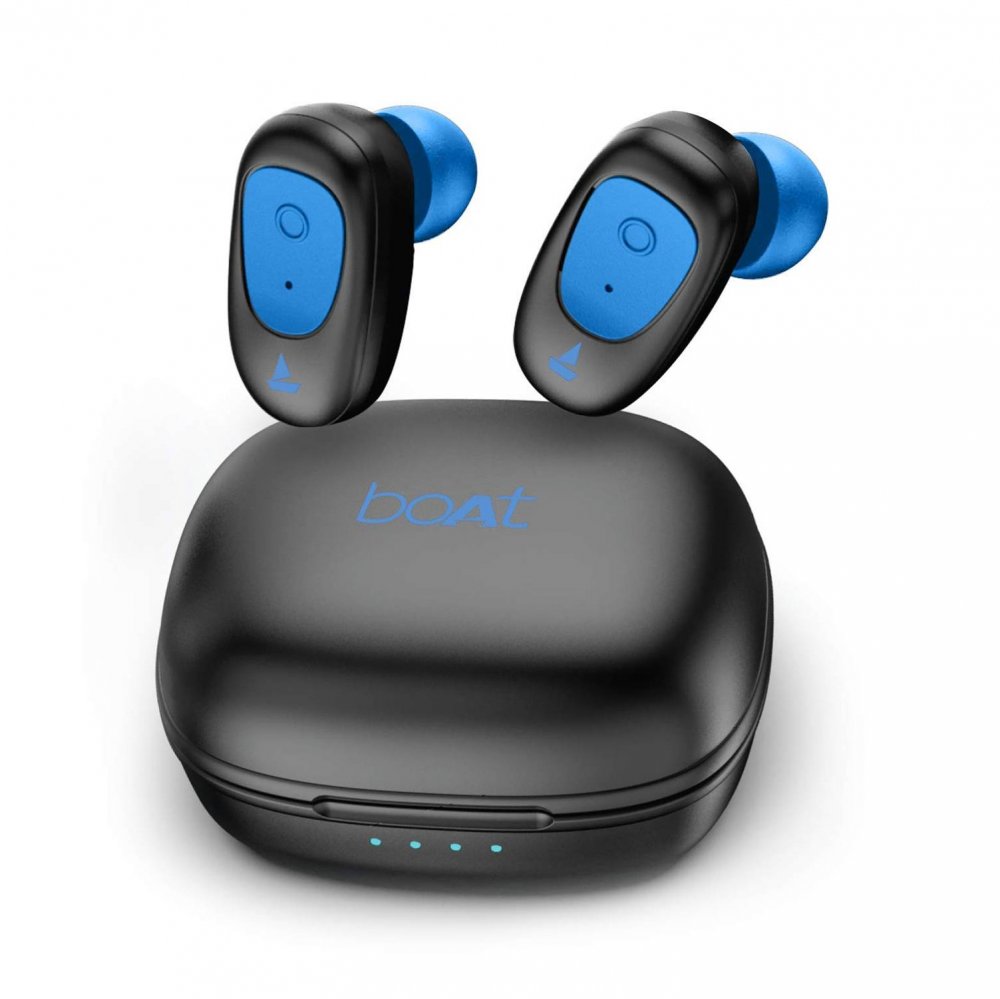
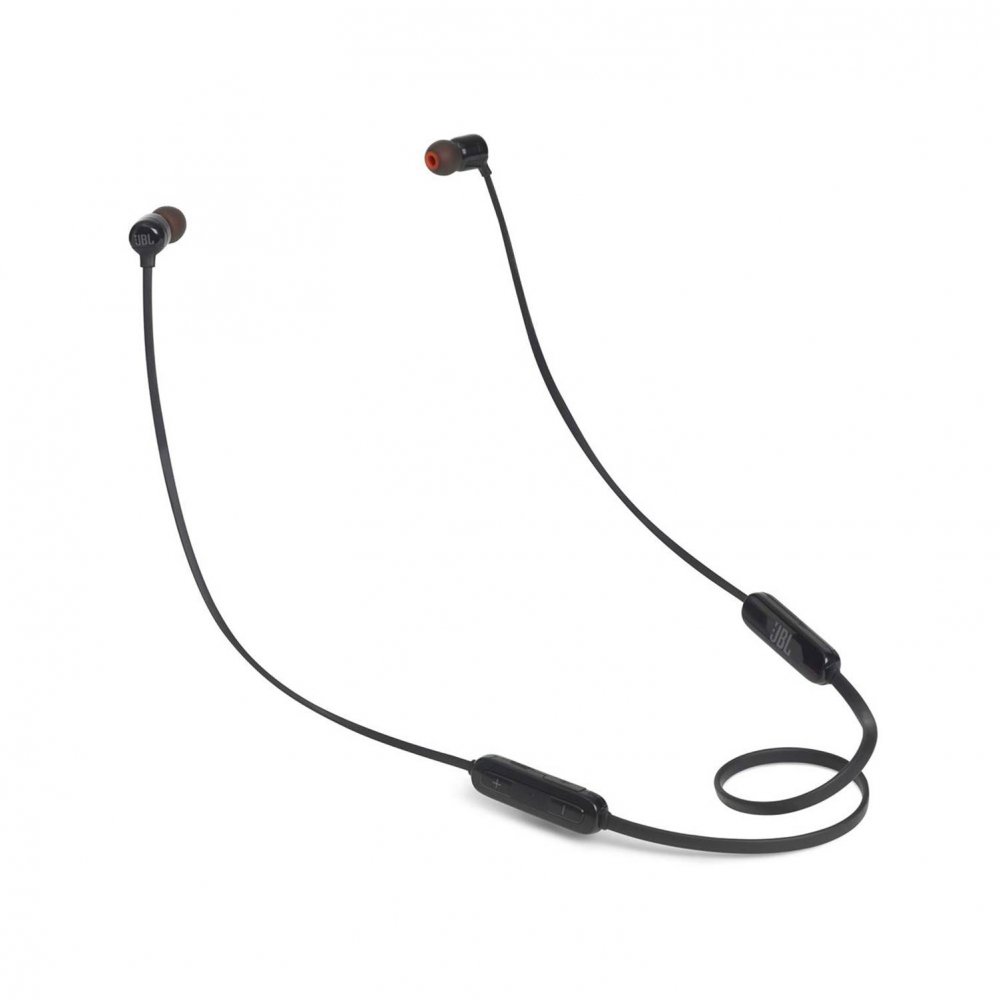
boAt Airdopes 201 vs JBL TUNE 110BT
Advertisement
| Specification | ||
|---|---|---|
| Price | Rs.1,999.00 |
Rs.1,999.00 |
| Brand | boAt |
JBL |
| Model No | Airdopes 201 |
TUNE 110BT |
| Wired / Wireless | Wireless Headphone Specification |
Wireless Headphone Specification |
| Headphone Type | In Ear Canal |
In Ear |
| Magnet Type | Dynamic |
Dynamic |
| Driver Diameter | 10 mm |
8.6 mm |
| Impedance | NA |
16 ohm |
| Sensitivity | 98±3dB |
96dB |
| Frequency Response | 20 Hz - 20000 Hz |
20 Hz - 20000 kHz |
| Maximum Power Input | 5 V DC |
NA |
| Wireless / Bluetooth Details | ||
| Wireless Technology | Bluetooth |
Bluetooth |
| Bluetooth Version | 5.0 + EDR |
4.0 |
| Compatible Profiles | All Bluetooth Devices |
All Bluetooth Devices |
| Supported Codecs | HSP, HEP, A2DP, And AVRCP |
HFP, HSP, AVRCP, A2DP |
| Battery Type | Lithium Li Polymer |
Polymer Li-ion Battery |
| Bluetooth Range | 10 Meters |
10 Meters |
| Battery Life | 3 Hours |
>6 Hours |
| Charging Time | 1.5 Hours |
<2 Hours |
| Noise Cancelling | NA |
NA |
| Available Colors | Black, Blue, Red, Green |
Black, White, Blue, Grey, Pink |
| Connector Plating | NA |
No |
| Cable | Micro USB Charging Cable |
ICON Charging Cable |
| Weight | 50 gm |
16.2 gm |
| Other Features | Airdopes 201 offers IPX4 rated resistance against water, splash and sweat scares. It supports mono as well as stereo calling feature for seamless communication. Plug Into Nirvana with Airdopes 201 and experience the immersive audio in a true wireless way. Tap into the wireless front with instant connectivity using the latest Bluetooth V5.0. Voice Assistant- Press the multi-function button for 2 seconds to activate voice assistant. Tap into the wireless front with optimum Bluetooth that allows for high ranges of movement as you groove to the effing dope beat, get into the zone. The 470 mAh charging cum carry case allows for easy maneuverability and a total playtime of up to 9 hours. It is equipped with easy access integrated controls with instant voice assistant feature that you can access via just a single press of a button. Airdopes 201 offers a nonstop playback of up to 3H with each charge and an additional 12H playtime with the included charging case. |
JBL Pure Bass Sound. Magnetic cable management. 3-Button Remote with Microphone. One year manufacturer’s warranty. A grab 'n' go solution that sounds great. 6 hours of playtime under optimum audio settings. Lightweight and Comfortable with 3 sizes of ear tips. |
Advertisement
Compare boAt Airdopes 201 with:
Compare JBL TUNE 110BT with:
Top Differences
- Battery Life: 3 Hours vs >6 Hours
- Driver Size: 10 mm vs 8.6 mm
- Bluetooth: 5.0 + EDR vs 4.0
- Weight: 50 gm vs 16.2 gm
- Impedance: NA Vs 16 ohm
Advertisement