 ALERT
ALERT
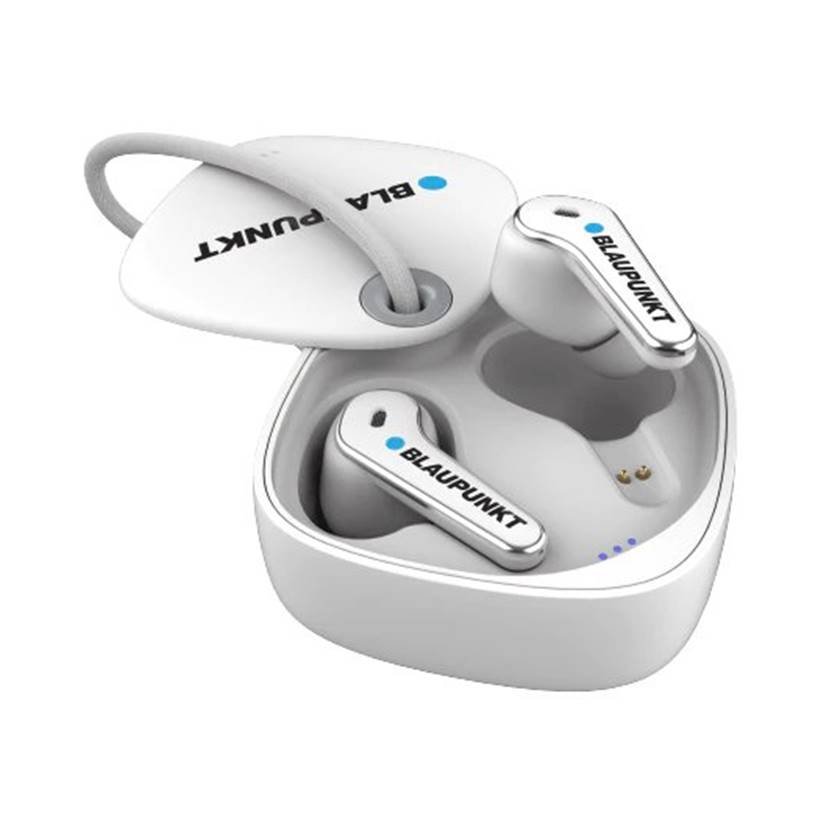
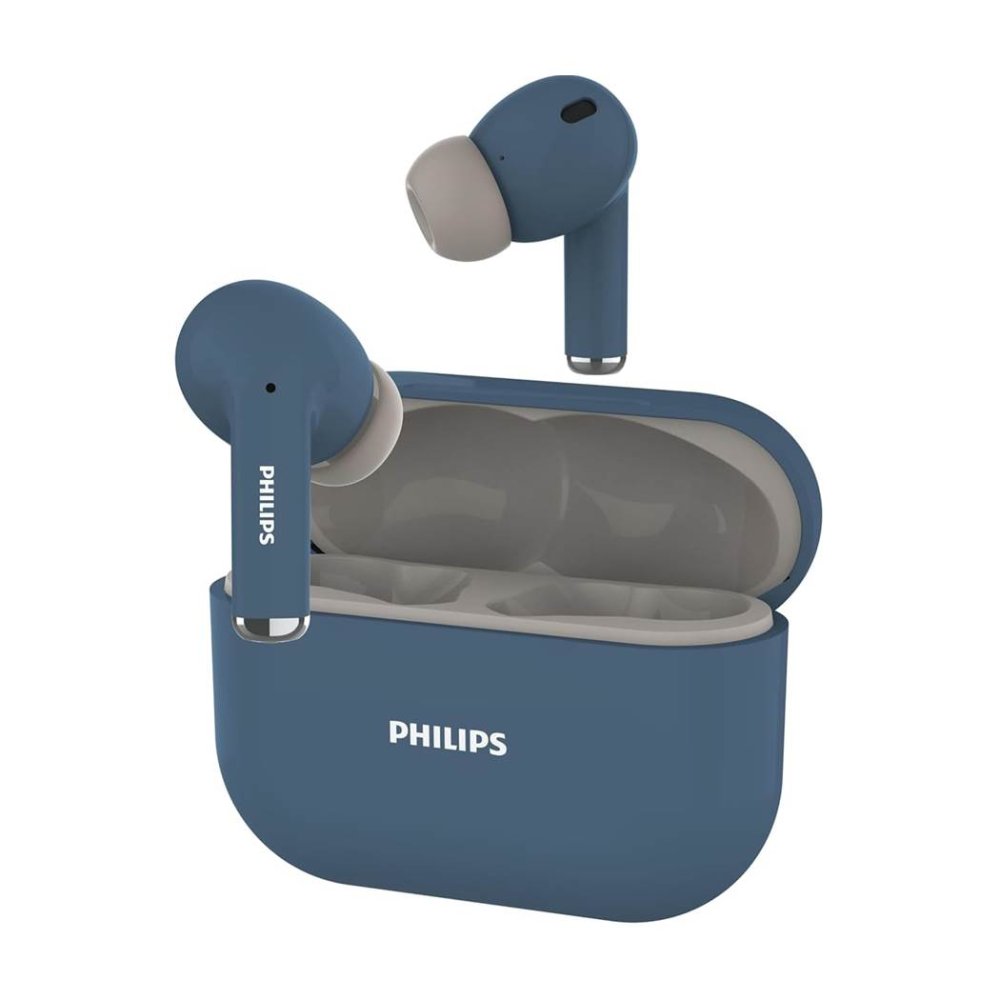
Blaupunkt BTW07 Moksha ANC White vs Philips TAT1169BL
Advertisement
| Specification | ||
|---|---|---|
| Price | Rs.2,999.00 |
Rs.2,999.00 |
| Brand | Blaupunkt |
Philips |
| Model No | BTW07 Moksha ANC White |
TAT1169BL |
| Wired / Wireless | Wireless Headphone Specification |
Wireless Headphone Specification |
| Headphone Type | In Ear Canal |
In Ear |
| Magnet Type | Dynamic |
Dynamic |
| Driver Diameter | 10 mm |
12 mm |
| Impedance | NA |
16 Ohms |
| Sensitivity | 27± 3dB |
97dB@1KHz |
| Frequency Response | 20 Hz - 20000 Hz |
20Hz - 20KHz |
| Maximum Power Input | 5 V / 1A |
10 mW |
| Wireless / Bluetooth Details | ||
| Wireless Technology | Bluetooth |
Bluetooth |
| Bluetooth Version | 5.2 |
5.3 |
| Compatible Profiles | All Bluetooth Devices |
All Bluetooth Devices |
| Supported Codecs | HFP, HSP, A2DP, AVRCP |
AAC, SBC |
| Battery Type | Lithium-ion Batteries |
Lithium-Ion Batteries |
| Bluetooth Range | 10 Meters |
10 Meters |
| Battery Life | 40 Hours |
7 + 48 Hours |
| Charging Time | 1.5 Hours |
2 Hours |
| Noise Cancelling | Active NC |
Environmental Noise Cancelling |
| Available Colors | Black, White, Blue |
Blue |
| Connector Plating | NA |
NA |
| Cable | USB Type-C Charging Cable |
USB Type-C Charging Cable |
| Weight | 50 Gm |
38 GM |
| Other Features | Thanks to IPX5 Water Resistance. Turbo Volt Wireless Fast Charging. A quick 15 minutes of charging provides you with upto 4 Hours of playtime. Ultra-low Latency: 80ms ultra-low latency of Moksha BTW07 is even more applicable to the game. Active Noise Cancellation: Enjoy an outstanding music experience with Moksha BTW07 ANC noise cancelling earbuds. |
Reliable Connection : Bluetooth connection provides a stable, uninterrupted listening and calling experience. High-Quality Sound : Experience warm, natural sound with dynamic bass boost and 12mm drivers for deep bass and clear calls. Comfort & Controls : Designed for a snug fit with interchangeable silicone ear tips, plus easy on-ear touch controls for convenience. Durable & Splash-Resistant : IPX4 rated, offering protection from sweat and splashes, making them perfect for workouts or outdoor use. Long Playtime & Convenience : Enjoy up to 55 hours of playtime with a pocket-sized charging case, ensuring your earbuds are always ready to go. |
Advertisement
Compare Blaupunkt BTW07 Moksha ANC White with:
Compare Philips TAT1169BL with:
Top Differences
- Battery Life: 40 Hours vs 7 + 48 Hours
- Noise Cancelling: Active NC vs Environmental Noise Cancelling
- Driver Size: 10 mm vs 12 mm
- Bluetooth: 5.2 vs 5.3
- Weight: 50 Gm vs 38 GM
Advertisement