 ALERT
ALERT
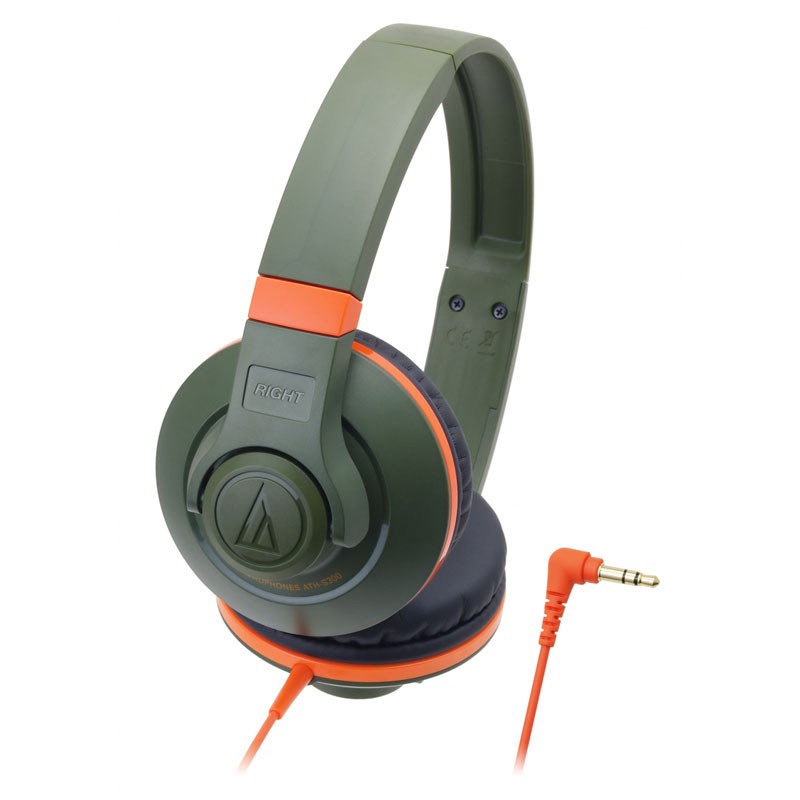
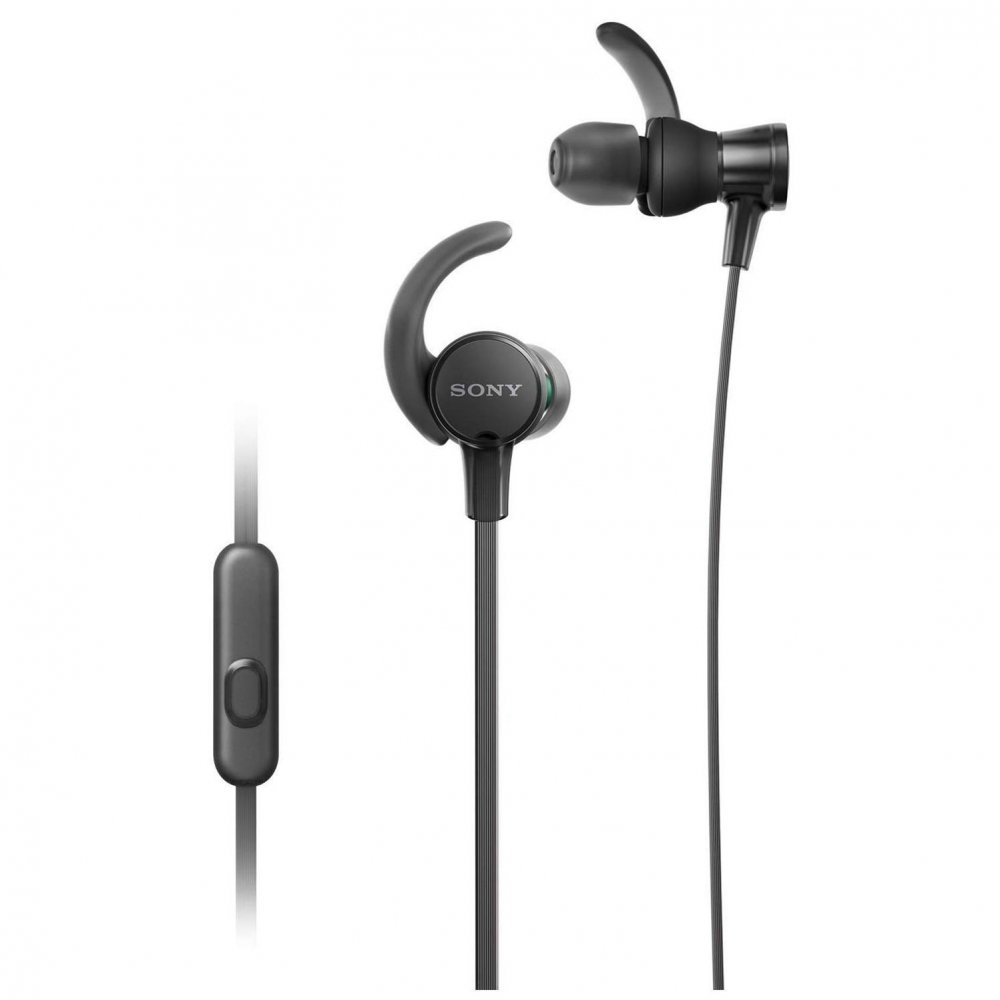
Audio Technica ATH-S300 vs Sony MDR-XB510AS
Advertisement
| Specification | ||
|---|---|---|
| Price | Rs.2,879.00 |
Rs.2,790.00 |
| Brand | Audio Technica |
Sony |
| Model No | ATH-S300 |
MDR-XB510AS |
| Wired / Wireless | Wired Headphone Specification |
Wired Headphone Specification |
| Headphone Type | On Ear |
In Ear Canal |
| Magnet Type | Neodymium |
Neodymium |
| Driver Diameter | 40 mm |
12 mm |
| Impedance | 48 ohms |
16 ohm |
| Sensitivity | 103 dB |
111 dB/mW |
| Frequency Response | 10 - 24,000Hz |
4 Hz - 24,000 Hz |
| Maximum Power Input | 500 mW |
100 mW |
| Noise Cancelling | No |
NA |
| Available Colors | Black, Blue, Green |
Black, Blue, Red, Green |
| Connector Plating | L-Shaped 3.5 mm Gold Plated Plug |
3.5 mm |
| Cable | 1.2 m |
Tangle- Free Cable |
| Weight | 140 g |
9 gm |
| Other Features | - Longtime Listening Comfort Fine - Fit Earpads, Minimize Sound Leakage, Powerful Sound with Deep Bass Response - Minimizes Uncomfortable Pulling and Tangling of Headphone Cable - Bold Street Concept Design and Color - Swivel Folding for Easy Portability |
Washable after workouts thanks to IPX5/7 design Run through heavy rain, sleet or snow with peace of mind Made to move with you. Fuel your performance Let the bass push you further Arc supports keep headphones securely in place L-shaped gold-plated 4-pole mini plug EXTRA BASS pumps up the low end for powerful rhythms that drive you to give your best every time, whatever the workout |
Advertisement
Compare Audio Technica ATH-S300 with:
Compare Sony MDR-XB510AS with:
Top Differences
- Noise Cancelling: No vs NA
- Driver Size: 40 mm vs 12 mm
- Weight: 140 g vs 9 gm
- Impedance: 48 ohms Vs 16 ohm
Advertisement